When you start exploring the world of precious metals, silver often feels like the more approachable sibling of gold. It is shiny, it has historical weight, and most importantly, it does not require a massive down payment to get started.
But as a beginner, the question "how much silver should I buy?" can feel a bit like asking "how long is a piece of string?" There is no universal answer, but there is a strategic one.
Whether you are looking to hedge against inflation or simply diversify your portfolio, silver offers a unique dual-purpose benefit. It is both an investment asset and a critical industrial metal used in everything from solar panels to electric vehicles.
Because of this, the silver market moves differently from the stock market, often providing a safety net when other assets are underperforming.
Understanding the Ideal Allocation for Your Portfolio
Most financial experts suggest that a healthy investment portfolio should have a 5% to 15% allocation to precious metals. If you are just starting, you do not need to hit that maximum number on day one. Instead, think of silver as a "satellite" asset that orbits your core investments like stocks or mutual funds.
For a beginner, a 2% to 5% allocation is a fantastic starting point. This range allows you to experience the market's volatility without exposing your entire savings to risk.
Silver is famously more "energetic" than gold; it can swing up or down significantly in a single week. By starting small, you give yourself the room to learn how the market behaves before committing a larger portion of your wealth.
Allocation Based on Your Risk Profile
Investor Type | Recommended Silver Allocation | Primary Goal |
Conservative | 2% - 4% | Wealth preservation and stability |
Moderate | 5% - 8% | Balanced growth and diversification |
Aggressive | 10% - 15% | Capitalizing on high price swings |
Why Silver Investment for Beginners Makes Sense Right Now
 If you are looking for a silver investment for beginners, the entry barrier is significantly lower than that of gold. In 2026, the gold-to-silver ratio remains a key indicator for many investors.
Historically, when this ratio is high, it suggests that silver is undervalued compared to gold, making it an opportune time to buy silver online or in physical form.
Beyond the price, the industrial demand for silver is skyrocketing. As the world shifts toward green energy, the silver required for photovoltaic cells and EV batteries continues to drain global stockpiles.
This means that while you are holding silver as a store of value, the "real-world" demand is working in your favor to support long-term price appreciation.
Key Reasons to Start Small
Affordability: You can buy a few ounces of silver for the price of a nice dinner, whereas gold requires a much larger capital outlay.
Liquidity: Silver is globally recognized. Whether you have coins, bars, or digital silver, you can convert them to cash relatively quickly.
Inflation Hedge: Like all precious metals, silver tends to hold its purchasing power over decades, unlike paper currency, which loses value to inflation.
Different Ways to Buy Silver Online and Physically
One of the first hurdles for a beginner is deciding which "flavor" of silver to buy. You aren't limited to just heavy bars hidden under a floorboard.
Modern finance has made it incredibly easy to gain exposure to silver through various digital and physical channels.
If you prefer the feeling of tangible wealth, physical silver is the way to go. However, if you are more focused on convenience and want to avoid the headache of storage and insurance, digital options are superior.
Many beginners now choose to buy silver online through platforms that offer "digital silver," where you own the metal but a professional vault handles the security.
Comparing Your Purchase Options
Method | Best For | Storage Requirement |
Silver Coins | Small-scale collectors | Home safe / Bank locker |
Silver Bars | Large-scale investors | Professional vault / Large safe |
Silver ETFs | Traders and liquid investors | None (Held in Demat account) |
Digital Silver | Systematic buying (SIPs) | None (Vaulted by provider) |
How to Calculate Your First Silver Purchase
 The best way to determine your starting amount is to look at your monthly surplus. Instead of buying a large "lump sum" and hoping the price doesn't drop the next day, many successful investors use a Systematic Investment Plan (SIP).
This is a great way to handle silver investment for beginners because it averages your purchase price over time.
For example, if you have $500 to invest every month, allocating $50 (10%) to silver is a sustainable strategy.
Over a year, you will have built a significant position without ever feeling the "pinch" of a large one-time payment. This "dollar-cost averaging" protects you from buying at a market peak and helps you sleep better at night.
Practical Steps for Your First Buy
Check the Spot Price: Always know the current market "spot price" before buying to ensure you aren't paying an astronomical premium.
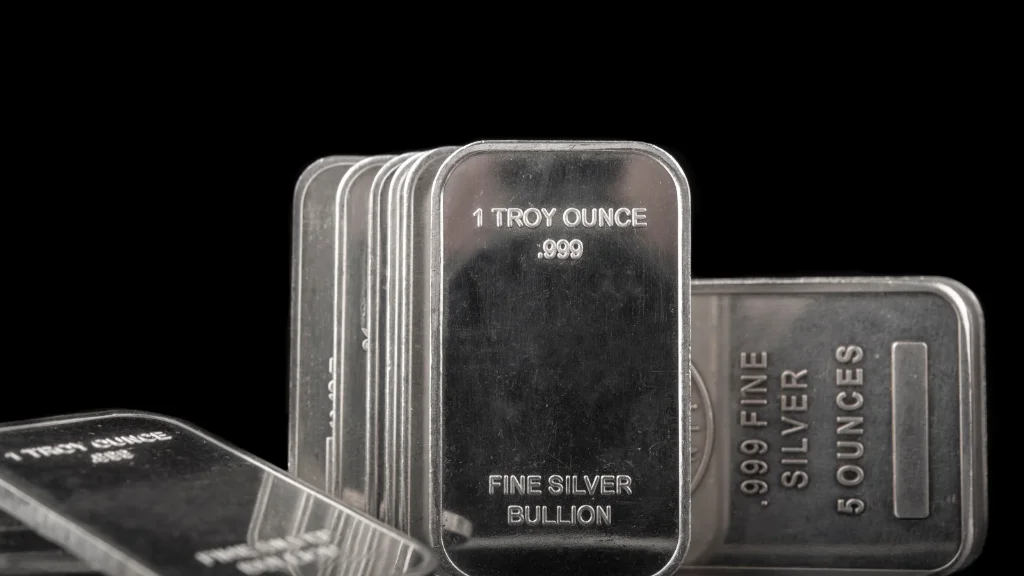
Start with 1oz or 100g: These are standard sizes that are easy to track and even easier to sell later if you need the cash.
Factor in the Premium: Remember that the price you pay will always be slightly higher than the spot price due to minting and dealer fees.
Safety and Purity Standards to Look For
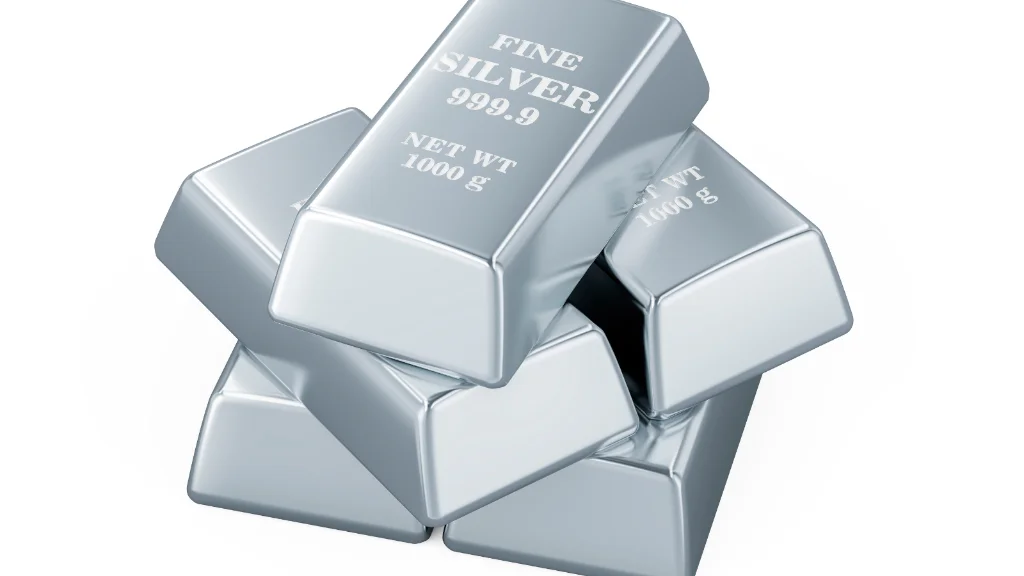
When you decide to buy silver online or from a local dealer, purity is the only thing that matters. For investment-grade silver, you should look for a "fineness" of 999 or 99.9%. Anything less is usually considered jewelry or "junk silver," which may be harder to sell at a premium later on.
In India, for instance, the BIS Hallmark is the gold standard (no pun intended) for silver purity. If you are buying silver bars or coins, ensure they come with a certificate of authenticity. If you are buying through a digital platform, check that they use SEBI-regulated custodians and that their vaults are regularly audited by third-party firms.
1. Choose Investment-Grade Purity
The most important factor when buying silver for investment is purity. Always look for silver with a fineness of 999 or 99.9% purity, commonly referred to as “fine silver.” This level of purity ensures that your investment closely tracks market prices and remains easy to sell later. Lower-purity silver is typically used in jewelry or decorative products and may not command competitive resale value. Investment-grade bars and coins are always the safer choice for long-term wealth preservation.
2. Verify Hallmarking and Certification
In India, the BIS Hallmark is the most reliable indicator of silver purity and authenticity. Before purchasing, confirm that the hallmark clearly mentions purity standards and certification details. Reputed refiners also provide a certificate of authenticity along with silver bars or coins. This documentation acts as proof of quality during resale and protects buyers from counterfeit or under-purity products.
3. Check Storage and Custodian Standards for Digital Silver
If you are buying silver through an online or digital platform, transparency in storage is critical. Ensure the provider uses SEBI-regulated custodians or well-known vaulting partners. Reliable platforms also conduct periodic third-party audits to verify holdings and purity. Secure storage arrangements reduce counterparty risk and ensure that your digital holdings are backed by physical silver.
4. Avoid Unrealistically Cheap Deals
One of the biggest warning signs is pricing that appears too attractive. Silver sold significantly below the prevailing spot price is often counterfeit, underweight, or part of fraudulent schemes. Always compare prices across trusted dealers or exchanges before purchasing. Paying slightly more from a reputable seller is safer than risking loss through suspicious bargains.
5. Watch Out for Unmarked Products and High-Making Charges
Always inspect silver bars or coins for clear markings showing weight, purity, and refinery identification. Unmarked metal is difficult to authenticate and may be rejected by buyers during resale. Additionally, avoid silver jewelry as an investment option because making or labor charges can add 20% or more to the cost, reducing your eventual returns.
The Role of Silver in a 2026 Economy
 As we navigate 2026, the economic landscape is shifting toward "hard assets." With currency fluctuations becoming more common, having a portion of your wealth in something tangible provides a psychological and financial buffer. Silver acts as a bridge between the stability of gold and the growth potential of industrial commodities.
A successful silver investment for beginners isn't about getting rich overnight. It is about building a foundation of "sound money" that survives market crashes and devaluations.
By keeping your silver allocation between 5% and 10% of your total assets, you are giving yourself a fighting chance against the rising cost of living while maintaining the flexibility to pivot into other investments when needed.
Final Thoughts on Starting Your Journey
Buying your first ounce of silver is more than just a financial transaction; it is a shift in mindset. You are moving from a consumer of currency to an owner of value. The key is consistency over intensity.
You don't need to buy a 1,000-ounce bar today to be a "real" investor. Start with what you can afford, stay informed on the market trends, and keep a long-term perspective.
If you are ready to explore how AI-driven insights can help you manage your broader investment strategy and content needs, visit discvr.ai to discover tools that bridge the gap between complex data and clear, actionable decisions.