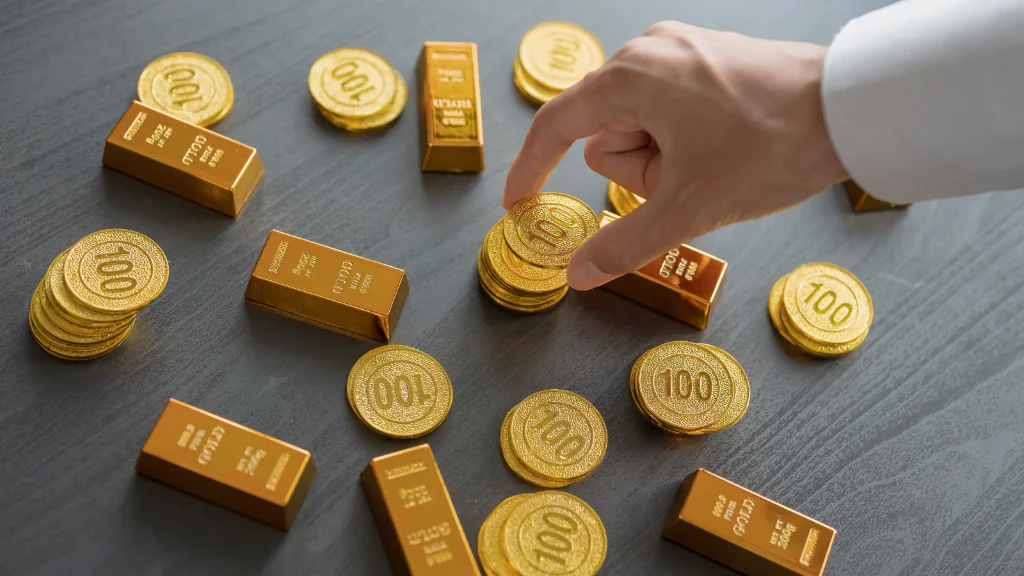
When it comes to building wealth in India, gold is more than just an asset; it is a tradition. For generations, families have accumulated gold to secure their future, but the method of saving has seen a significant shift.
As we move through 2026, the debate of digital gold vs physical gold has become central for those looking at disciplined monthly saving plans. While the shine of a gold coin is undeniable, the convenience of a smartphone app is hard to ignore.
Choosing the right path for your monthly investment depends on your financial goals, your need for liquidity, and how much you want to spend on overheads like storage or making charges. In this guide, we will break down everything you need to know about these two formats to help you decide which one deserves a spot in your portfolio.
Understanding the Long-term Value of Gold
Gold has historically acted as a hedge against inflation, preserving purchasing power when currency values fluctuate. Whether you buy digital gold online or visit a local jeweler, you are essentially betting on the same underlying commodity. However, the way you interact with that investment changes the math of your final returns.
For a monthly investor, consistency is key. Monthly investing allows you to benefit from Rupee Cost Averaging, where you buy more gold when prices are low and less when they are high.
This strategy smoothens out the volatility of market prices over time. When comparing digital gold vs physical gold, the former often wins on the "consistency" front simply because it removes the barriers to entry that physical gold presents.
Why Monthly Investing Matters for Your Portfolio
 Investing in gold should not be a one-time event based on a whim. It works best when integrated into a monthly budget. By allocating a fixed amount every month, you build a "gold corpus" without feeling the pinch of a large lump-sum payment.
Benefits of Systematic Gold Accumulation
Rupee Cost Averaging: You don't need to time the market perfectly; your average purchase price stays competitive.
Disciplined Savings: Automating your gold purchase ensures you prioritize your future self before discretionary spending.
Compounding Security: Over 5 to 10 years, small monthly additions can grow into a substantial safety net for emergencies or life events.
Digital Gold vs Physical Gold: A Comparative Analysis
If you are looking to start a monthly habit, you need to understand the structural differences between these two options. Physical gold involves buying tangible items like coins, bars, or jewelry. Digital gold, on the other hand, allows you to own 24K gold that is stored in secure, insured vaults by a custodian.
The choice between digital gold and physical gold often boils down to transparency. When you buy digital gold online, the price you see is usually linked to international market rates. When you buy physical gold, the price can vary from one jeweler to another based on their specific margins and local market conditions.
Comparison of Key Investment Factors
Feature | Digital Gold | Physical Gold |
Minimum Investment | As low as ₹10 to ₹100 | Usually requires at least 1 gram (approx. ₹7,500+) |
Storage & Safety | Stored in insured, 100% secure vaults | Personal responsibility (Locker or Home) |
Purity | Guaranteed 24K (99.9% purity) | Varies (22K to 24K); requires hallmarking checks |
Making Charges | Zero | 8% to 25% (depending on design) |
Liquidity | Instantly sell back to the platform 24/7 | Requires a physical visit; testing and deductions apply |
The Convenience of Using a Digital Gold App
The rise of the digital gold app has revolutionized how the younger generation views gold. In the past, you had to save up for months to afford a single gold coin. Today, you can skip the commute to the jewelry store and invest the price of a cup of coffee into pure gold.
A digital gold app offers a seamless interface where you can track the "live" value of your holdings. This transparency is vital for monthly investors who want to see their wealth grow in real-time. Furthermore, most platforms allow you to set up a "Gold SIP," which automatically deducts your chosen amount and adds the equivalent gold to your digital locker.
Why Investors Choose Digital Platforms
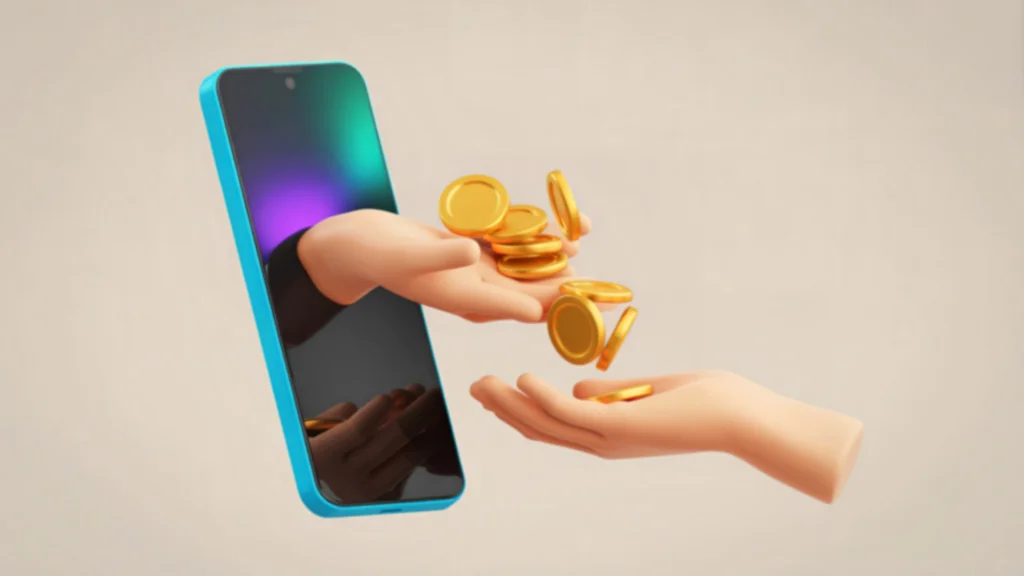 The modern investor is no longer interested in the logistical hurdles of traditional asset management. By shifting to a digital gold app, you bypass the friction points that have historically made gold a "clunky" investment. Digital platforms have turned a millennia-old store of value into a high-frequency, modern financial tool that fits into a busy lifestyle.
1. Zero Storage Stress and Enhanced Security
When you buy digital gold online, the most immediate relief is the elimination of the "security tax." Storing physical gold at home is increasingly risky, and relying on bank lockers can be a financial drain. Bank locker rentals in India for 2026 typically range from ₹2,000 to ₹15,000 annually, depending on the size and location.
Insured Vaulting: Most reputable platforms use world-class custodians like MMTC-PAMP or SafeGold, where your gold is stored in 100% insured, Brink’s-grade vaults.
Zero Theft Risk: Unlike physical gold, which is vulnerable to burglary or accidental loss, digital holdings are protected by institutional-grade security protocols and multi-factor authentication.
Independent Trusteeship: To protect investor interests, a third-party trustee often oversees the physical gold reserves, ensuring that every gram in your app actually exists in the vault.
2. Instant Liquidity and 24/7 Redemption
One of the biggest hurdles in the digital gold vs physical gold debate is the ease of exit. Selling physical gold usually requires a trip to the jeweler, a purity test, and often a stressful negotiation over the "buyback" rate. Digital platforms have solved this by offering a "sell" button that works around the clock.
Real-Time Cash Settlement: If you face a financial emergency, you can liquidate your gold units in under two minutes, with funds often hitting your bank account via UPI or IMPS almost instantly.
No Purity Disputes: Because the gold is certified 24K from the moment of purchase, there is no need for appraisal or melting tests that typically reduce the value of physical gold by 5% to 10%.
Transparent Pricing: The live market-linked rates on your digital gold app ensure you get the same fair price whether you are buying or selling, without the hidden markups found in retail shops.
3. Democratizing Wealth through Fractional Ownership
Historically, gold was an asset for the elite because the minimum entry point was high, usually at least one gram. Today, digital platforms have democratized this asset class. Fractional ownership allows anyone to participate in the gold market without needing a large capital outlay.
Invest as little as ₹1: You can literally start your gold journey with the spare change from a digital transaction. This makes it the most inclusive way to build a monthly habit.
Micro-Investing Flexibility: You can own gold down to 0.0001 grams. This precision allows you to invest exact rupee amounts (like ₹500 every month) rather than trying to match the fluctuating price of a 1-gram coin.
Compounding Small Wins: By allowing for tiny, frequent additions, digital platforms help you build a massive corpus over time through "micro-savings" that would be impossible in the physical market.
4. Hidden Costs and Real Returns
When you decide to buy digital gold online, you must be aware of the "spread" and taxes. While there are no making charges, there is usually a 2% to 3% gap between the buying and selling price. This spread covers the cost of storage, insurance, and the platform’s operational fees. Additionally, a 3% GST is applicable on every purchase of digital gold.
Physical gold carries much higher "hidden" costs, especially in the form of jewelry. Making charges is essentially a sunk cost; you pay for the craftsmanship, but you rarely get that money back when you sell the gold. Even gold coins from banks or reputed jewelers often come with a premium that reduces your effective ROI.
5. Cost Breakdown for Monthly Investors
Digital Gold: 3% GST + approximately 2-3% spread. Total entry cost is around 5-6%.
Physical Gold (Jewelry): 3% GST + 10-20% making charges + locker fees. Total entry cost can exceed 25%.
Physical Gold (Coins): 3% GST + 5-10% premium. Total entry cost is roughly 8-13%.
Taxation on Gold Investments in 2026
 The tax treatment for both forms is quite similar, but it is important to keep your records straight for the taxman.
As of the current fiscal year, gold is treated as a capital asset. If you sell your gold (digital or physical) after holding it for more than 24 months, it is considered a Long-Term Capital Gain (LTCG).
For holdings sold before 24 months, the gains are classified as Short-Term Capital Gains (STCG) and are added to your total income, taxed according to your applicable slab rate. In the case of digital gold vs physical gold, the LTCG is typically taxed at 12.5% without indexation benefits, following recent regulatory updates.
When Physical Gold Makes Sense
Despite the efficiency of the digital route, physical gold still holds a place in many portfolios. If your goal is not just wealth appreciation but also consumption, such as preparing for a wedding or gifting, then physical gold is the only option.
Many people find psychological comfort in holding a tangible asset that is not dependent on a digital platform or internet access.
However, even if you prefer physical gold, the digital gold vs physical gold debate suggests a hybrid approach.
You can use a digital gold app to accumulate small amounts monthly and, once you reach a certain threshold (e.g., 10 grams), you can request physical delivery of a coin or bar. This way, you get the benefit of easy monthly investing without losing the tangibility you desire.
How to Start Your Monthly Gold Journey
To begin, you should first define your "why." Are you saving for a house down payment, a wedding, or just building a diversified portfolio? Once you have a goal, follow these steps to integrate gold into your monthly routine.
Steps to Invest Effectively
Choose your platform: Select a reliable digital gold app that offers 24K gold and has clear terms on delivery and storage.
Set a Budget: Decide on a monthly amount that you can consistently afford without dipping into your emergency fund.
Monitor the Spread: Keep an eye on the buy-sell spread to ensure you are getting a fair deal.
Review Annually: At the end of the year, evaluate your gold holdings and decide if you want to continue holding digitally or take physical delivery.
For those looking for more advanced insights into wealth management and AI-driven financial tools, you can explore the latest trends at Discvr.AI. Staying informed helps you pivot your strategy as market conditions change.
Conclusion
The debate between digital gold vs physical gold isn't about which one is "better" in a vacuum, but which one fits your lifestyle. For the modern professional, the ability to buy digital gold online offers a level of flexibility and cost-efficiency that traditional methods simply cannot match. It removes the need for large capital, eliminates storage worries, and provides instant liquidity.
However, the cultural value of physical gold remains a cornerstone of Indian society. The smartest approach for 2026 is often a blend: use a digital gold app for your disciplined monthly savings and convert that digital balance into physical assets when the time is right for a celebration or a milestone. By choosing the right tool for the right goal, you ensure that your "golden" future is both secure and shining.