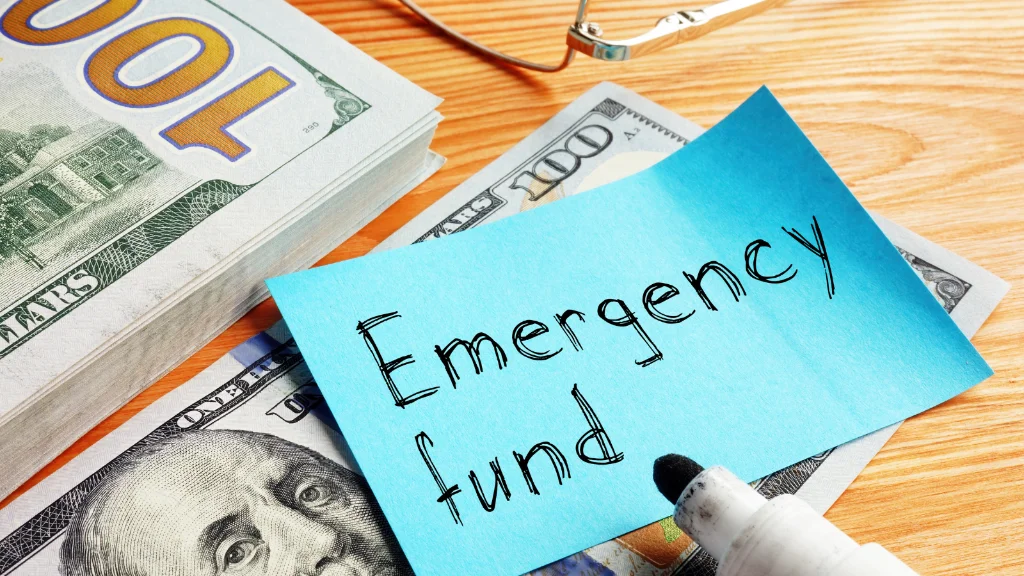
Building your first "real" paycheck feels like a milestone. After years of studying, you finally have a steady stream of income hitting your bank account every month.
However, that excitement can quickly turn into stress if an unexpected car repair or a medical bill pops up before you have found your financial footing. Most people think saving is something you do once you are "settled," but the truth is that your first day on the job is the best time to start.
Building a safety net isn't about hoarding cash; it is about buying yourself peace of mind. For someone just starting their career, the goal can feel massive, but it is all about the system you build today.
Using an emergency fund calculator is a great way to turn a vague goal into a concrete plan. By understanding your monthly needs early on, you can ensure that life’s little surprises don’t turn into long-term debt.
Why an Emergency Fund is Non-Negotiable for New Professionals
The first few years of working are often the most volatile. You might be moving to a new city, signing your first lease, or realizing that your "entry-level" salary doesn't go as far as you expected. Without a backup, any minor inconvenience becomes a major crisis that you might end up putting on a high-interest credit card.
An emergency fund for beginners acts as a buffer between you and high-interest debt. According to recent financial data from 2024, nearly 36% of young professionals would struggle to cover a sudden 400 dollar expense. By starting now, you are ensuring you don't become part of that statistic.
This fund gives you the freedom to make choices based on your career goals rather than your bank balance.
Understanding the Numbers Behind Your Safety Net
Before you start putting money away, you need to know exactly how much you are aiming for. Most experts suggest having three to six months of expenses, but for a beginner, even one month is a huge win.
Expense Category | Monthly Estimate (USD) | 3-Month Goal | 6-Month Goal |
Rent & Utilities | 1,200 | 3,600 | 7,200 |
Groceries & Food | 400 | 1,200 | 2,400 |
Transport/Insurance | 300 | 900 | 1,800 |
Total | 1,900 | 5,700 | 11,400 |
How to Determine Your Target Using an Emergency Fund Calculator
 You cannot hit a target you haven't defined yet. Many people set their savings goals, but that often leads to under-saving or feeling overwhelmed by a number that seems too high. This is where an emergency fund calculator becomes your best friend. It helps you look at your "must-have" expenses versus your "nice-to-have" spending.
When you use an emergency fund calculator, focus strictly on your essentials. This includes your rent, basic groceries, utilities, and any debt minimums. You don't need to fund your weekend brunch habit or your streaming subscriptions in an emergency.
Once you have that "bare bones" monthly number, multiply it by three. This is your first major milestone. Seeing the number on paper makes it real and, more importantly, makes it manageable.
Essential Steps to Calculate Your Needs
List Fixed Costs: Identify every bill that stays the same each month.
Estimate Variable Needs: Calculate an average for groceries and fuel.
Ignore Discretionary Spend: Don't include entertainment or shopping in this specific calculation.
Add a Buffer: Include a small 10% margin for inflation or price hikes.
The Step-by-Step Strategy for an Emergency Fund for Beginners
Starting from zero is the hardest part of any financial journey. When you are just starting work, you might feel like you don't have enough "extra" money to save. The secret is that you don't save what is left over; you save before you spend.
An emergency fund for beginners should be built in phases. Don't try to save 10,000 rupees in your first month. Instead, aim for 500 rupees.
Once you hit that, aim for one month of rent. These small "micro-wins" keep you motivated. If you try to do too much too soon, you will likely feel deprived and give up on the habit entirely.
Phase 1: The Starter Fund (500 to 1,000 rupees)
This phase is about covering the "annoyances" of life. It’s for the flat tire, the broken phone screen, or the unexpected dental check-up. Having this initial cushion prevents you from dipping into your rent money when things go wrong.
Phase 2: The One-Month Milestone
Once your starter fund is set, push for one full month of basic living expenses. This is a significant psychological milestone because it means if your paycheck was delayed, you would still be okay.
Phase 3: The Full 3 to 6 Month Buffer
This is the ultimate goal. Once you reach this level, you are protected against job loss or major medical emergencies. Use your emergency fund calculator periodically to update this number as your lifestyle or rent changes over the years.
Where to Keep Your Money for Maximum Accessibility
 The location of your fund is just as important as the amount. You want the money to be "liquid," meaning you can get to it within 24 hours, but you don't want it so close that you spend it on a weekend trip.
Most people make the mistake of keeping their emergency savings in their primary checking account. This is a recipe for accidental spending. Instead, look for a High-Yield Savings Account (HYSA). These accounts usually offer better interest rates than traditional banks, meaning your money grows slightly while it sits there.
Comparison of Storage Options
Account Type | Accessibility | Interest Rate | Best For |
Checking Account | High | Very Low | Daily Spending |
Standard Savings | Medium | Low | Short-term goals |
High-Yield Savings | Medium | High | Emergency Fund |
Certificate of Deposit | Low | High | Long-term stagnant cash |
Automating Your Way to Success
Consistency will always beat intensity when it comes to personal finance. If you have to manually move money every month, you eventually will forget or find a reason not to do it. Automation removes the "decision fatigue" from the process.
Setting up a recurring transfer on your payday is the most effective way to build an emergency fund for beginners. If the money leaves your account before you even see it, you will naturally adjust your spending to whatever is left.
Start small; even 50 rupees a paycheck adds up to 1,200 rupees a year. As you get raises or bonuses, you can increase this amount without ever feeling the "pinch" in your daily lifestyle.
Habits that Accelerate Growth
Redirect Your Raises: When you get a salary bump, keep living on your old salary and send the difference to your savings.
Use Windfalls: If you get a tax refund or a birthday gift, put at least 50% of it into your fund.
The "Round-Up" Method: Use apps that round up your purchases to the nearest dollar and save the change.
Cut One Subscription: Taking one 15-dollar-a-month service and moving that to savings adds 180 rupees to your fund annually.
Knowing When to Actually Use the Fund
The biggest challenge isn't just building the fund; it is protecting it from yourself. An emergency fund is not a "new car fund" or a "vacation fund". It is for events that are urgent, necessary, and unexpected.
Before you tap into the money you’ve calculated using an emergency fund calculator, ask yourself three questions: Is this unexpected? Is it absolutely necessary? Is it urgent? If the answer to any of these is "no," try to find the money elsewhere in your monthly budget. If you do have to use it, don't feel guilty; that is exactly what it is there for. Just make sure your next priority is replenishing it.
To ensure your savings strategy remains effective, you must define the boundaries of what constitutes a crisis. Using an emergency fund calculator is only helpful if the money is actually there when you need it. Without strict rules, it is easy to let "lifestyle creep" convince you that a flash sale or a social event is an emergency.
By categorizing valid reasons for withdrawal, you protect your progress and ensure that your emergency fund for beginners serves its true purpose: financial survival during the unexpected.
1. Sudden Job Loss and Income Disruption
 Losing a job is one of the most stressful experiences a new professional can face. When your primary source of income disappears, your emergency fund steps in to cover your basic needs like rent, utilities, and groceries. This cushion allows you to focus on finding the right next role rather than taking the first low-paying job out of desperation. If you have used an emergency fund calculator correctly, you should know exactly how many months of breathing room you have before things get tight.
2. Unforeseen Medical Emergencies and Health Costs
Health issues rarely give you a heads-up. Even with decent employer-provided insurance, co-pays, deductibles, and out-of-pocket costs for specialist visits can add up to thousands of rupees very quickly. An emergency fund for beginners ensures that a physical injury or a sudden illness doesn't result in a long-term financial ailment. Having the cash on hand allows you to prioritize your recovery without the added weight of medical debt collectors calling your phone.
3. Essential Repairs for Transportation or Housing
When you rely on a vehicle to get to your job, a mechanical failure isn't just an inconvenience; it is a threat to your livelihood. Similarly, if you own your home or have specific tenant responsibilities, an urgent repair like a burst pipe or a broken heater must be handled immediately. Using your emergency fund calculator to account for these "maintenance surprises" helps you distinguish between a cosmetic upgrade (which is not an emergency) and a functional necessity.
4. Urgent Family Emergencies and Unplanned Travel
Sometimes, the emergency isn't yours, but it requires your presence. A sudden illness in the family or a funeral may require you to book a last-minute flight or take unpaid leave from work. These situations are emotionally taxing enough without having to worry about how to pay for a 600 dollar plane ticket. Your emergency fund for beginners provides the mobility you need to be there for your loved ones during their most difficult moments without sabotaging your own financial future.
Conclusion
Building a financial safety net is the single best gift you can give your future self. It might feel slow at first, but the discipline you develop today will serve you for the rest of your career.
By using an emergency fund calculator to set your targets and focusing on an emergency fund for beginners strategy, you are taking control of your financial narrative. You don't need a massive salary to start; you just need a plan and the consistency to stick with it.
The peace of mind that comes with knowing you are prepared for whatever life throws at you is worth every dollar you set aside. Start today, even if it’s just with a small amount, and watch your confidence grow alongside your balance.
If you’re looking to optimize your career and financial growth as a new professional, explore the resources at discvr.ai. We provide data-driven insights to help you navigate the modern workplace with confidence, while solutions like Loan Against Mutual Funds offer smart financial flexibility as your investments begin to grow.