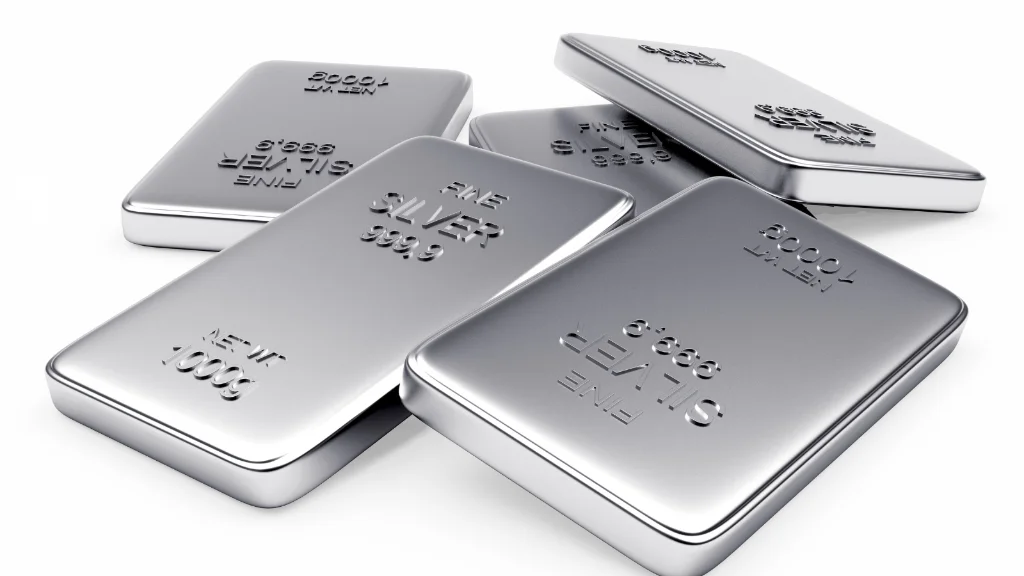
In 2026, silver has emerged as a powerhouse asset, driven by a 168% surge in the previous year and an unprecedented demand from the green energy and electric vehicle sectors.
For many investors, the question is no longer whether to buy the white metal, but rather the specific mechanism of ownership. When comparing digital silver vs ETF models, the decision influences everything from your tax liability to the speed at which you can liquidate your holdings during market volatility.
As silver prices continue to target record highs, professional investors are moving away from traditional physical storage toward electronic formats. Both digital silver and Silver ETFs offer a way to invest in silver without the logistical burden of bank lockers or the worry of metal purity.
However, these two pathways operate under different regulatory umbrellas and cost structures that can significantly impact your net returns over a three-to-five-year horizon.
Digital Silver vs. Silver ETF: The Ultimate 2026 Guide
In 2026, the landscape for silver investment has undergone a monumental shift, with the white metal crossing the ₹4 lakh per kg mark in early January before experiencing historic volatility. For modern investors, choosing between Digital Silver and Silver ETFs is no longer just about convenience; it is a strategic decision involving tax efficiency, regulatory safety, and capital optimization.
1. Structural Governance: Tokenization vs. Financial Instrument
Digital Silver is a tokenized representation of bullion sold by private fintech platforms. When you buy, the platform purchases an equivalent weight of physical silver and stores it in high-security vaults. In contrast, a Silver ETF is a SEBI-regulated mutual fund that tracks the domestic price of physical silver.
Differentiator: Digital Silver provides a direct (though private) link to physical metal, whereas Physical Silver gives you tangible, direct ownership without any digital intermediary or platform risk.
2. Accessibility and Minimum Investment Thresholds
 One of the biggest draws of Digital Silver is its low entry barrier, often allowing investments as low as ₹1. This makes it highly accessible for micro-saving. Silver ETFs, however, require a demat account and usually have a minimum entry price equal to one unit (typically 0.5g or 1g of silver).
Differentiator: While Digital Silver is for micro-savers, Physical Silver requires higher upfront capital, as jewellers typically sell in fixed denominations like 10g, 50g, or 1kg bars.
3. Regulatory Oversight and Investor Protection
Silver ETFs are strictly governed by SEBI, with mandatory third-party audits and custodians ensuring every unit is backed by 99.9% pure silver. Digital Silver operates in a "self-regulated" zone where you rely on the platform’s credibility and their vaulting partners (like Brink’s or SafeGold).
Differentiator: Unlike the digital versions, Physical Silver carries zero "platform risk" but places the entire burden of security and purity verification on the individual owner.
4. Cost Efficiency: The GST Factor
Digital Silver attracts a 3% GST at the time of every purchase, which immediately reduces your effective capital. Silver ETFs do not charge GST on the purchase of units, making them nearly 3% more cost-effective from the moment you invest.
Differentiator: Physical Silver also attracts 3% GST, but often includes additional "making charges" (5–10%) that are not present in digital or ETF formats.
5. Tax Efficiency and Holding Periods
As per the 2025-26 budget, Silver ETFs qualify for Long-Term Capital Gains (LTCG) at 12.5% after just 12 months. Digital Silver follows the rules of physical assets, requiring a 24-month holding period to qualify for the same 12.5% rate.
Differentiator: Selling Physical Silver or Digital Silver before 24 months triggers Short-Term Capital Gains (STCG) taxed at your income slab, whereas ETFs reach tax efficiency twice as fast.
6. Market Hours and Liquidity Quality
Digital Silver platforms offer 24/7 liquidity, allowing you to sell on a Sunday night if global news breaks. Silver ETFs are restricted to stock exchange hours (9:15 AM – 3:30 PM), though they offer superior "institutional liquidity" for large-volume trades.
Differentiator: Physical Silver has the lowest liquidity quality; you must find a physical buyer or return to a jeweller, often losing 2–5% in the "buy-back" spread.
7. Storage and Security Protocols
 Both Digital Silver and ETFs eliminate the need for home lockers. ETFs store silver in SEBI-monitored vaults, while Digital Silver uses insured private vaults.
Differentiator: With Physical Silver, you are responsible for theft risk and insurance. However, physical metal is the only asset that remains functional during a digital system failure or internet blackout.
8. Physical Redemption and Conversion
Digital Silver allows you to "redeem" your balance for physical coins or bars delivered to your doorstep (after paying making and delivery charges). Silver ETFs are purely financial; you can only exit by selling for cash on the exchange.
Differentiator: Physical Silver is already in its final form, making it the preferred choice for immediate cultural needs, such as weddings or gifting.
9. SIP and Automation Features
Digital Silver excels at "Daily SIPs" or "Spare Change" investing via UPI apps. To do a SIP in an ETF, you usually need to use a "Silver Fund of Funds" (FoF) or set up a manual basket with your broker.
Differentiator: Automating Physical Silver is difficult and usually requires joining a "Jewellery Saving Scheme," which often lacks the transparency of digital price tracking.
10. Transparency in Pricing (Live Spot vs. Platform Rate)
ETFs trade at a transparent price on the NSE/BSE, closely mirroring the "iNAV" (intraday Net Asset Value). Digital Silver platforms set their own rates, which often include a hidden "spread" (the difference between buying and selling prices).
Differentiator: Physical Silver prices vary by city and even by individual jeweller, making it the least transparent pricing model.
Practical Use Cases for Every Investor
 Deciding between digital silver vs ETF usually comes down to your existing financial setup and your specific goals. There is no "one size fits all" answer, but there is usually a "best fit" for your current situation.
If you are just starting your journey to invest in silver and do not have a demat account, digital silver is the clear winner. The ability to buy for 100 INR via a mobile app without any paperwork is an incredible tool for financial inclusion. It allows you to participate in the silver bull market with zero friction and the option to eventually take physical delivery of coins for your home collection.
For those who already trade stocks or have a dedicated investment portfolio, the Silver ETF is almost always the better route. The combination of SEBI regulation, lower transaction costs (no 3% GST), and the 12-month window for long-term taxation makes it the most efficient way to hold silver. It simplifies your tax filing and keeps all your assets visible in a single demat statement.
Conclusion
The choice between digital silver vs ETF ultimately hinges on your priority: accessibility or efficiency. Digital silver is the champion of convenience, offering 24/7 micro-investing and the potential for physical redemption, though it carries a higher tax burden and less regulatory oversight. On the other hand, Silver ETFs are the cornerstone of a professional investment strategy, offering the lowest costs, superior tax treatment, and the safety of SEBI's watchful eye. As you look to invest in silver in 2026, consider the Silver ETF if you have a one-year-plus horizon and a demat account, but don't shy away from digital silver if you value the flexibility of 24/7 access and micro-contributions.