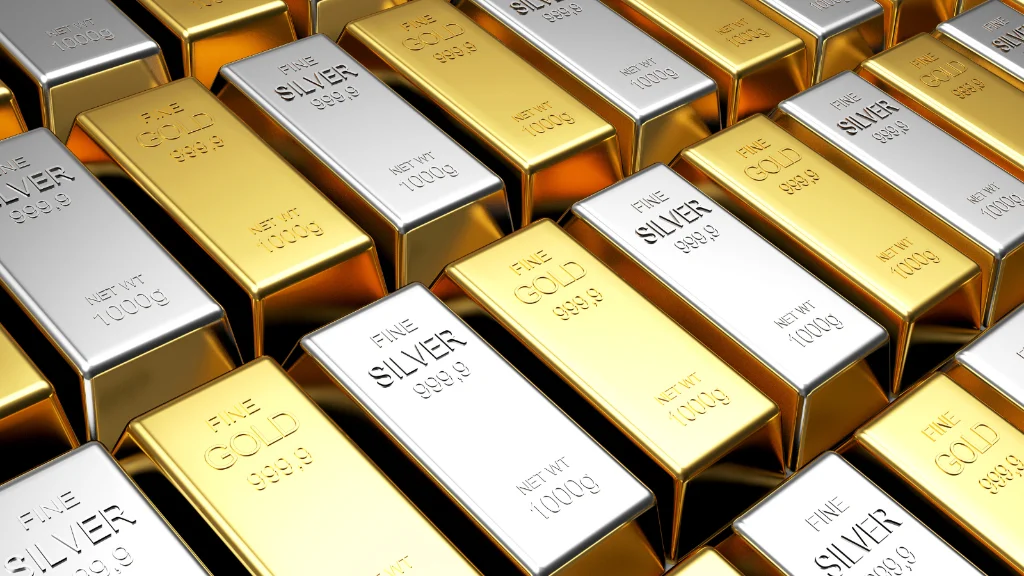
Choosing between precious metals has always been a classic financial debate, but the rise of digital assets has changed the rules. If you are looking to diversify your portfolio in 2026, the gold vs silver investment decision is likely at the top of your mind.
Both metals serve as a hedge against inflation, yet they behave very differently in a digital format. While gold remains the ultimate safe haven, silver is increasingly seen as a high-growth industrial asset.
Digital silver and gold allow you to own 24K pure metal without the headache of physical lockers or purity concerns. In this guide, we will break down the difference between gold and silver in their digital forms to help you decide which one aligns with your financial goals.
Gold vs Silver Investment: Core Differences for 2026
Gold and silver are two of the most popular precious metals for investors. Both have been trusted stores of value for centuries and are often purchased during periods of inflation, economic uncertainty, or currency weakness. However, even though they belong to the same asset category, gold and silver behave very differently in financial markets.
In 2026, investors are paying closer attention to the differences between these two metals because global economic trends, technological growth, and renewable energy expansion are affecting their demand. Gold is widely known for its stability and its ability to protect wealth, while silver is recognized for its growth potential and higher volatility due to strong industrial demand.
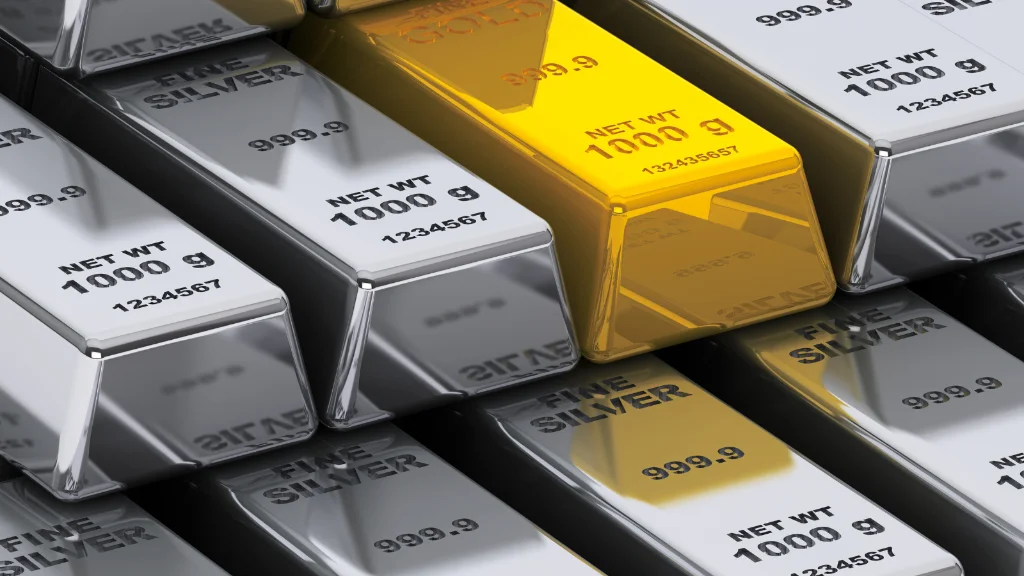 Understanding how these metals differ can help investors make better decisions when building a diversified portfolio. Below are ten key points that highlight the core differences between gold and silver investments.
1. Price Stability
Gold is generally more stable than silver. Its price tends to move gradually, making it attractive for investors who want to preserve capital and avoid extreme price swings.
2. Market Size
The global gold market is significantly larger than the silver market. Because of this larger size, gold prices are less sensitive to individual trades or sudden demand changes.
3. Volatility
Silver is more volatile than gold. Its smaller market size allows prices to move more dramatically, which can create opportunities for higher gains but also increases risk.
4. Investment Role
Gold often acts as a portfolio stabilizer during financial uncertainty. Silver is often considered a growth asset that performs strongly when industrial activity increases.
5. Industrial Demand
Gold is primarily used for jewelry and investment purposes. Silver has a much broader industrial role, including use in electronics, solar panels, and medical equipment.
6. Economic Sensitivity
Gold typically performs well during economic crises, high inflation, or geopolitical tensions. Silver often performs better when the economy is expanding and manufacturing activity increases.
7. Accessibility for Investors
Silver is much more affordable per gram than gold. This makes it easier for new or small investors to start investing without requiring a large initial investment.
8. Liquidity
Gold has extremely high liquidity worldwide because it is traded by central banks, financial institutions, and investors across global markets. Silver also has strong liquidity but slightly less than gold.
9. Storage Requirements
Gold is easier to store because of its high value in small quantities. Silver requires more physical storage space since its price per unit is lower.
10. Portfolio Diversification
Many financial experts recommend including both metals in a portfolio. Gold provides long-term stability and protection, while silver offers the potential for higher growth during strong market cycles.
Digital Gold vs Digital Silver Comparison
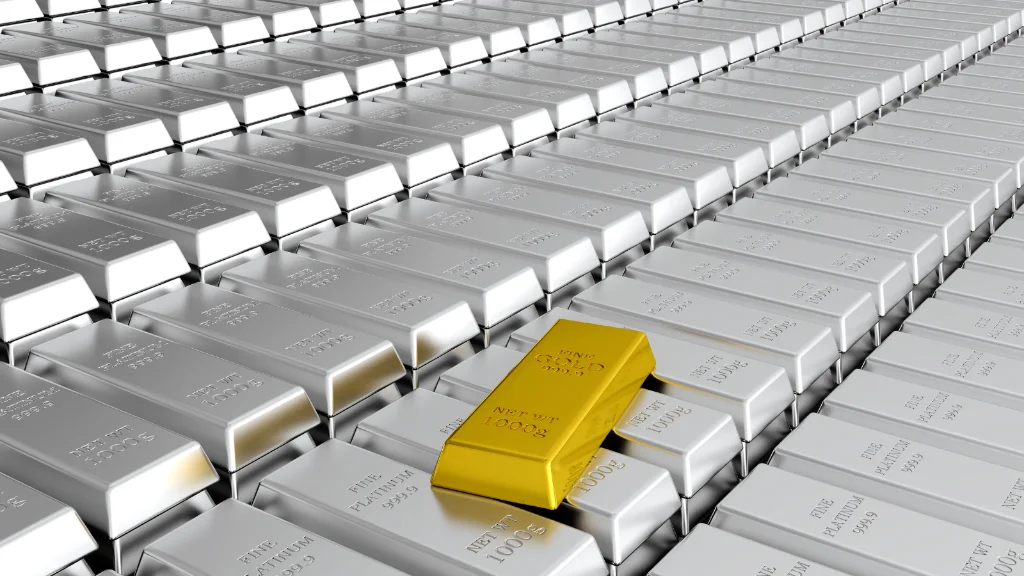 Feature: Digital Gold, Purity 24K (99.9% or 99.99%), minimum investment ₹1 to ₹10, high price stability, low industrial demand, primary driver is inflation and geopolitical events, extremely high liquidity.
Feature: Digital Silver, Purity 99.9% fineness, minimum investment ₹10 to ₹20, more volatile price behavior, strong industrial demand from solar, EVs, and electronics, primary driver is economic growth and manufacturing activity, high liquidity.
Understanding these differences allows investors to decide how much of each metal to include in their portfolios. In many cases, a balanced strategy that includes both gold and silver can provide stability while also capturing potential growth opportunities.
Why Choose Digital Over Physical?
When weighing a gold vs silver investment, the digital format offers several "hidden" wins that physical metal cannot match.
1. Zero Storage Hassles
Storing ₹5 lakh worth of silver physically is a logistical nightmare. Silver is much bulkier than gold. For the same value, silver is roughly 100 times heavier. Digital platforms solve this by storing your metal in secure, insured vaults like those managed by MMTC-PAMP.
2. Instant Liquidity
Selling physical jewelry often involves a 5-10% deduction in value. With digital assets, the difference between gold and silver liquidity is minimal. You can sell your holdings at live market prices 24/7 and have the money in your bank account via UPI almost instantly.
3. Guaranteed Purity
You never have to worry about "hallmarking" or "adulteration" with digital assets. The platforms provide you with a digital certificate of purity (99.9%), ensuring you get exactly what you paid for.
Essential Checklist for Digital Investors
 Verify the Provider: Ensure the platform partners with accredited refiners like MMTC-PAMP or SafeGold.
Check the Spread: There is always a small difference between the buying and selling price (usually 2-3%). Account for this in your return calculations.
Monitor the Ratio: Keep an eye on the gold-to-silver ratio to identify which metal is currently "on sale."
Avoid Emotional Selling: Because digital assets are easy to sell, many investors panic during a 5% dip. Stick to your long-term plan.
Conclusion
The choice between a gold vs silver investment ultimately depends on your risk tolerance. Gold provides the ultimate safety net, while silver offers the excitement of industrial growth.
By understanding the difference between gold and silver, you can build a portfolio that protects you today and grows with the technology of tomorrow. Whether you are a first-time saver or a seasoned investor, precious metals remain the cornerstone of a resilient financial plan.