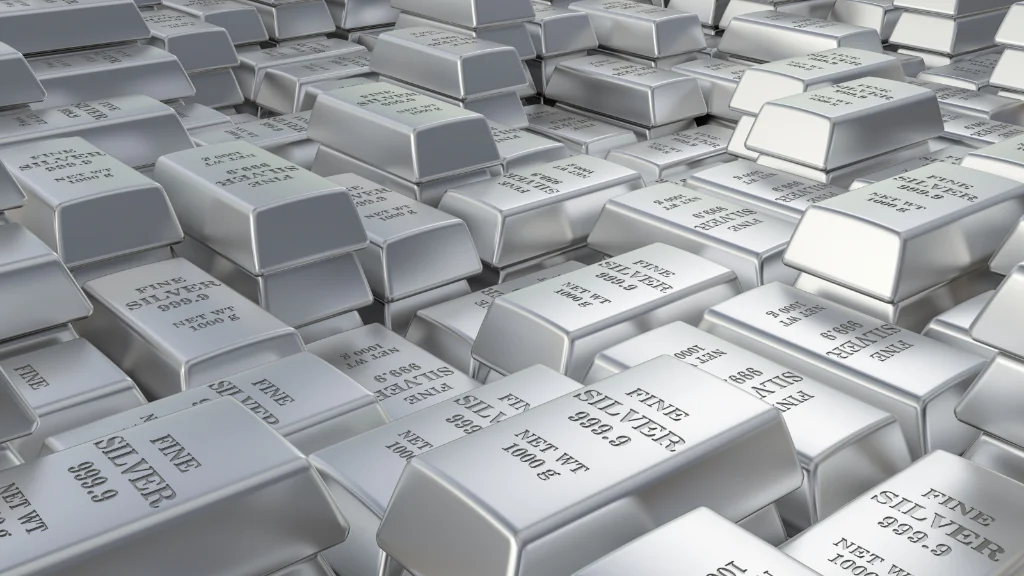
When you look at the precious metals market in India, gold usually steals the spotlight during every wedding season and festival.
However, silver is no longer just the affordable alternative to gold; it has emerged as a high-performance asset class with unique industrial drivers.
Many investors are now asking if they should pivot toward this white metal for their long-term wealth goals. To answer this, we need to look beyond the shine and understand the market dynamics that drive silver long term returns.
The Evolution of Silver as a Strategic Asset
Silver occupies a unique space in the investment world because it functions as both a precious metal and a critical industrial commodity.
While gold is largely kept in lockers as a store of value, silver is being used in the very technologies that define our future. From the solar panels on our roofs to the electric vehicles on our roads, silver is an indispensable component.
In the Indian context, the shift toward green energy and electronics manufacturing has fundamentally changed the demand-supply equation.
This dual nature means that when you invest in silver in India, you are not just betting on a hedge against inflation; you are also betting on global industrial growth.
Historical Performance and Price Trends
To understand if silver is a good long-term bet, we must look at how it has behaved over the last decade. While it is known for higher volatility than gold, its ability to deliver explosive growth during "upcycles" is well-documented.
Year | Average Silver Price (INR/kg) | Annual Return (%) |
2016 | ₹36,990 | 8.4% |
2020 | ₹63,435 | 12.3% |
2024 | ₹95,700 | 31.9% |
2025 | ₹2,62,000 | 170% |
2026 (Current) | ₹3,17,100 | 26% (YTD) |
The data shows that silver long-term returns can be substantial if the entry point is timed correctly or if the investment is sustained through market cycles. The massive jump seen in 2025 was a result of a global supply deficit combined with a surge in industrial applications.
Why You Should Consider an Investment in Silver India Strategy
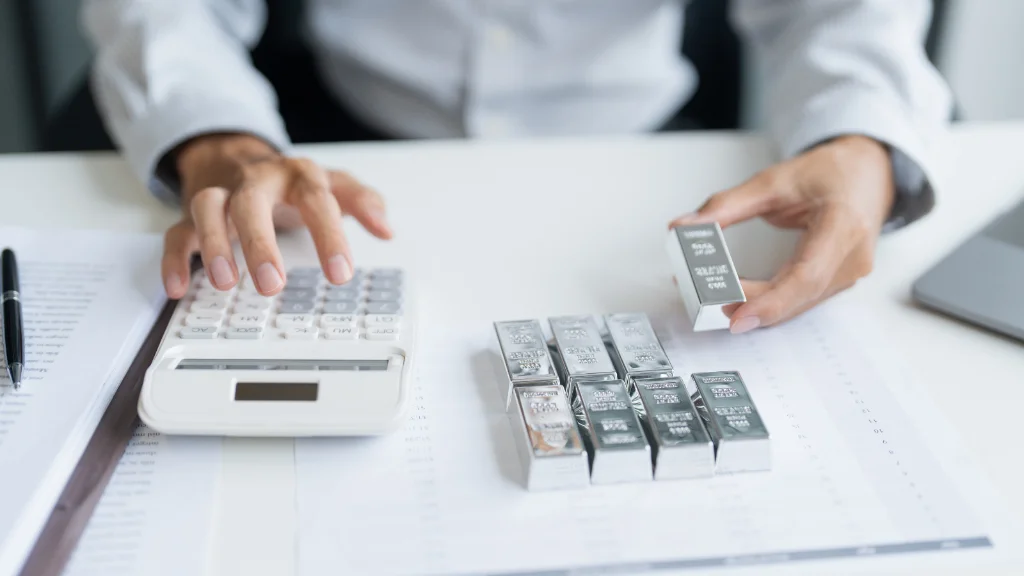 The primary reason silver is gaining traction among Indian B2B investors and retail enthusiasts alike is its accessibility. You do not need a massive capital outlay to start building a silver portfolio. Beyond affordability, the fundamental "supply gap" is a major catalyst.
For the sixth consecutive year in 2026, the global silver market is expected to remain in a deficit. This means the world is consuming more silver than it is mining.
When demand outstrips supply so consistently, the long-term price trajectory typically leans upward.
Green Technology Boom: Silver is the best conductor of electricity. As India pushes for 500 GW of non-fossil fuel energy capacity, the demand for solar photovoltaic cells remains a massive driver.
Electric Vehicle (EV) Transition: An average electric vehicle uses nearly double the amount of silver compared to an internal combustion engine car.
Hedge Against Inflation: Like gold, silver maintains its purchasing power when the rupee depreciates, or inflation rises.
Portfolio Diversification: Silver often has a low correlation with equities, meaning it can provide a cushion when the stock market faces a downturn.
Understanding the Risks Involved
While the upside is tempting, one must be aware that silver is a "high-beta" asset. This means it moves more sharply than gold in both directions. If the global economy slows down, industrial demand can dip, causing temporary price corrections.
Therefore, a long-term horizon of at least 5 to 10 years is usually recommended to smooth out these fluctuations.
Modern Ways to Invest in Silver India
Gone are the days when buying heavy silver bars and finding a secure locker were your only options. Today, the Indian market offers sophisticated digital and paper-based instruments that make it easier to invest in silver in India without the headaches of physical storage or purity concerns.
Silver ETFs and Mutual Funds
Exchange-Traded Funds (ETFs) are perhaps the most efficient way to gain exposure to silver. These are SEBI-regulated and track the real-time price of physical silver.
Purity: Guaranteed 99.9% purity as per LBMA standards.
Liquidity: You can buy or sell units on the stock exchange during market hours just like shares.
No Storage Costs: You don't have to worry about bank lockers or insurance; the fund house handles the physical storage in secure vaults.
Systematic Investment: Most silver mutual funds allow you to start a SIP with as little as ₹500 per month.
Comparing Silver Long-Term Returns with Other Assets
 When building a wealth strategy, it helps to see how silver stacks up against traditional favorites like gold or fixed deposits. Historically, silver has shown the potential to outperform gold during commodity bull runs, though it carries a higher risk profile.
Returns Comparison Table (Estimated CAGR)
The following table illustrates why investors are looking at silver for diversification.
Asset Class | 10-Year Estimated CAGR | Risk Level | Primary Driver |
Silver | 9% - 11% | High | Industrial + Monetary |
Gold | 8% - 10% | Moderate | Safe Haven / Currency |
Nifty 50 | 12% - 14% | High | Corporate Earnings |
Fixed Deposits | 6% - 7.5% | Low | Interest Rates |
The silver long-term returns are particularly attractive because they offer a "growth" element that gold lacks. While gold is a defensive play, silver behaves more like a technology play during industrial expansions.
Strategic Allocation: How Much Silver is Enough?
Financial experts generally suggest that precious metals should make up about 10% to 15% of your total investment portfolio. Within that bucket, silver can account for 25% to 30%, depending on your risk appetite.
If you are a conservative investor, you might lean more toward gold. However, if you have a longer time horizon and can tolerate price swings, increasing your silver allocation can potentially boost your overall silver long-term returns.
Best Practices for Long-Term Investors
Navigating the precious metals market requires a disciplined approach. Unlike the stock market, where company earnings drive value, silver is influenced by global supply chains and currency fluctuations.
To maximize your silver long-term returns, you should focus on minimizing costs and timing your entry points through structured methods rather than emotional reactions to market news.
1. Avoid Physical Jewelry for Investment
If your primary goal is to grow your wealth, you should stay away from purchasing silver jewelry. When you buy ornaments, you pay significant "making charges" which can range from 10% to 20% of the metal's value, and these costs are never recovered when you sell.
Additionally, jewelry often contains alloys that lower the silver's purity, making it a less efficient way to invest in silver in India compared to bullion or digital formats.
2. Use the SIP Route for Price Averaging
Since the silver market is notoriously volatile, trying to time the "perfect" bottom is nearly impossible for most investors. A smarter strategy to secure steady silver long-term returns is to use a Systematic Investment Plan (SIP).
By investing a fixed amount every month, you automatically buy more units when prices are low and fewer when prices are high, effectively averaging out your purchase cost over time.
3. Monitor the Gold-Silver Ratio
The Gold-Silver Ratio is a powerful tool used by seasoned investors to determine the relative value of the two metals. Historically, when this ratio is high (meaning gold is very expensive compared to silver), silver is considered "undervalued" or cheap, signaling a prime opportunity to invest in silver in India.
Keeping an eye on this metric helps you identify periods where silver has the most room for a price correction to the upside.
4. Focus on Regulated Financial Products
To ensure your investment is safe and easy to liquidate, you should prioritize SEBI-regulated products like Silver ETFs or Silver Mutual Funds. These instruments provide high transparency, as they are required to hold physical silver of 99.9% purity in secure vaults.
Choosing these over unregulated schemes ensures that you can exit your position instantly at market prices, which is crucial for capturing the best silver long-term returns.
The Role of Geopolitics and Currency
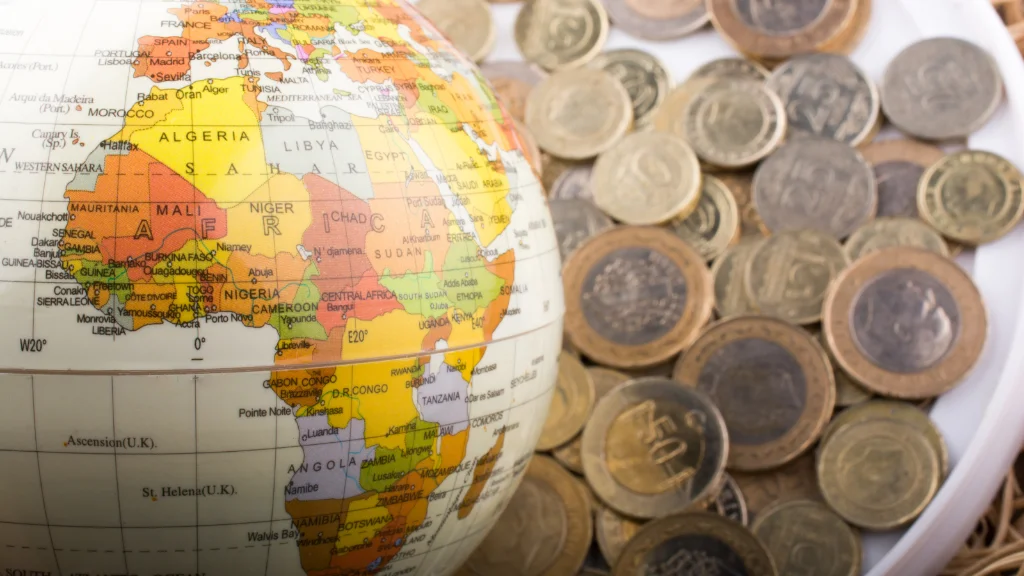 The price of silver in India is not just a factor of local demand; it is deeply tied to global macroeconomics. Since silver is priced in US Dollars internationally, any weakness in the Indian Rupee makes silver more expensive for us locally.
Geopolitical tensions also play a role. During times of war or global instability, investors flock to "hard assets." This surge in sentiment, combined with the underlying industrial need, creates a powerful floor for silver prices.
As we look toward 2030, the shift toward a "decarbonized" world economy is likely to keep silver in high demand.
Conclusion: Is Silver the Right Choice for You?
Silver has successfully transitioned from a traditional commodity to a strategic long-term investment. Its dual role ensures that even if investor sentiment cools, the physical requirement in the tech and energy sectors provides a backstop.
For an Indian investor, the key is to balance the excitement of high returns with the discipline of a staggered entry.
If you are looking to diversify beyond the usual equity and gold mix, an investment in the silver India strategy offers a compelling narrative of industrial growth and value preservation.
While it requires a stomach for volatility, the potential for silver long-term returns to outpace inflation and other debt instruments makes it a worthy addition to a modern portfolio.