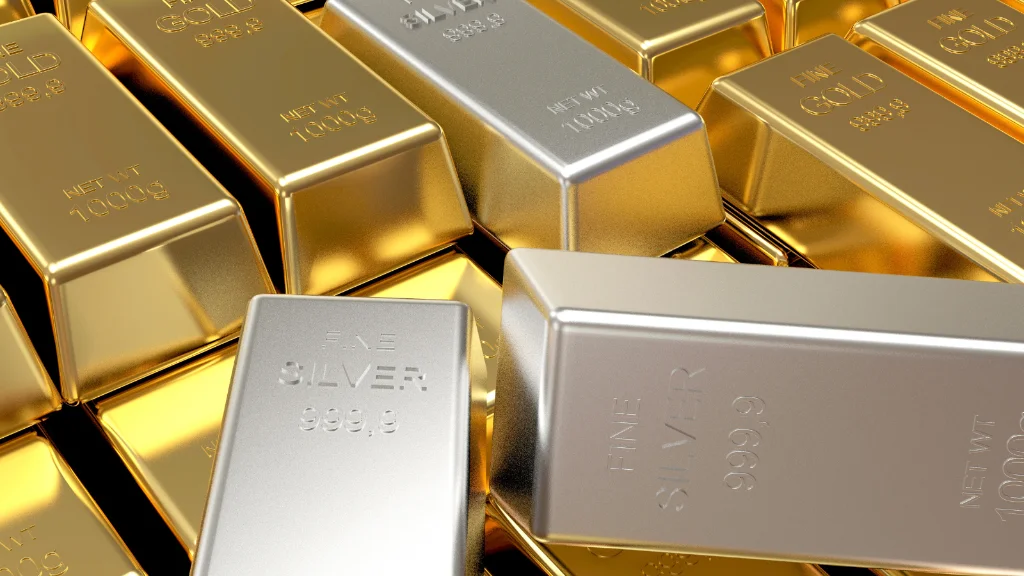
Choosing the right balance between gold and silver can feel like a high-stakes puzzle for small investors trying to protect their hard-earned savings.
While both metals serve as a buffer against inflation, they behave quite differently when the market gets bumpy.
This guide will walk you through the nuances of gold vs silver investment to help you build a resilient silver portfolio allocation that fits your budget.
Understanding the Core Differences in Precious Metals
Small investors often view gold and silver as two sides of the same coin, but their market drivers are distinct.
Gold acts primarily as a monetary asset and a "safe haven," meaning it tends to hold its value when stocks or currencies fail. Central banks around the world keep gold in their reserves to ensure stability, which provides a solid floor for its price.
Silver, however, is the "workhorse" of the precious metals world. While it is a store of value, more than 50% of its demand comes from industrial applications like solar panels, electric vehicles, and electronics.
This dual nature means that while silver can offer explosive growth during industrial booms, it is also more sensitive to economic slowdowns than gold.
Feature | Gold Investment | Silver Investment |
Primary Driver | Monetary Safety / Inflation | Industrial Demand / Growth |
Volatility | Low to Moderate | High |
Storage Density | High (Small space needed) | Low (Bulky and heavy) |
Entry Cost | Higher per unit | Very accessible for small budgets |
Liquidity | Extremely High | High, but slightly slower |
Why Gold vs Silver Investment Matters for Small Portfolios
 For someone starting with a smaller capital base, the debate over gold vs silver investment often comes down to accessibility. You can start a silver portfolio allocation with much less capital than it takes to buy a standard gold bar.
This "low barrier to entry" allows small investors to practice dollar-cost averaging, where you buy small amounts regularly regardless of the price.
However, the volatility of silver is a double-edged sword. In a bull market, silver often outperforms gold significantly because of its smaller market size; it takes less money to move the price of silver than it does for gold.
In 2025, we saw silver deliver returns of over 80% in some regions, outpacing gold's 60%. But the downside is equally sharp; silver can see 15% corrections in a single month, which can be stressful for a new investor to watch.
Strategic Benefits for Small Investors
Affordability: Silver allows you to own more physical units, which can be psychologically rewarding and easier to liquidate in small portions.
Growth Potential: Because silver is tied to the "green energy" transition, its long-term industrial demand is projected to stay strong through 2026.
Diversification: Adding both metals ensures that you aren't just betting on a "crisis" (Gold) but also on "industrial growth" (Silver).
Determining Your Ideal Silver Portfolio Allocation
A common mistake is going "all-in" on one metal. The smartest way to handle a silver portfolio allocation is to use gold as your foundation and silver as your "kicker" for higher returns. Most financial experts suggest that precious metals should make up 5% to 15% of your total investment portfolio. Within that slice, the split depends entirely on your comfort with price swings.
If you are a conservative investor who wants to sleep soundly, your gold vs silver investment ratio should lean heavily toward gold. For those with a longer time horizon who can handle seeing their account balance dip temporarily, a higher silver allocation can pay off during the next commodity cycle.
Allocation Models by Risk Profile
When building your silver portfolio allocation, your risk tolerance should be the primary driver of your strategy. Every investor has a different comfort level with market swings, and your split between gold and silver should reflect that. Below are the three most common frameworks used by small investors to balance their gold vs silver investment goals based on their personal financial situation.
1. Conservative (Stability First): 80% Gold / 20% Silver
This mix prioritizes wealth preservation and is designed for those who cannot afford significant dips in their portfolio value. By keeping the vast majority of the allocation in gold, you ensure that your savings are anchored by the most stable precious metal available.
The 20% silver component provides just enough exposure to capture industrial growth without risking the overall health of your nest egg.
2. Balanced (Growth and Safety): 70% Gold / 30% Silver
Often considered the "sweet spot" for most small investors in 2026, this model offers a harmonious blend of protection and profit potential. With a 30% silver portfolio allocation, you are well-positioned to benefit when silver outperforms gold during industrial booms.
However, the 70% gold core remains large enough to protect you if the manufacturing sector faces a temporary slowdown.
3. Aggressive (High Upside): 60% Gold / 40% Silver
This model is built for investors with a longer time horizon who want to capture the maximum benefit of industrial silver demand. Because silver is essential for green energy and high-tech electronics, a 40% allocation allows you to ride the wave of the "silver squeeze" or industrial supply shortages.
While this gold vs silver investment ratio is more volatile, it offers the highest potential for capital appreciation over a 5 to 10-year period.
Practical Storage and Liquidity Considerations
 When you choose your gold vs silver investment path, you must think about where these metals will live. Gold is incredibly value-dense; a few lakhs worth of gold can fit in a small jewelry box. Silver is the opposite. To hold the same value in silver, you might need a sturdy safe or a dedicated storage locker, as it is much bulkier and heavier.
Liquidity is also a factor for small investors.
Gold is the most liquid asset in the world and can be converted to cash almost instantly at any reputable dealer or through an exchange-traded fund (ETF).
Silver is also liquid, but the "spread" (the difference between the buying and selling price) can be wider, especially for physical coins and bars. This means you might lose a small percentage of your profit just in transaction costs if you aren't careful.
Premiums: Small silver coins often have higher premiums (manufacturing costs) relative to their value than gold coins.
Tarnishing: Physical silver can tarnish over time if exposed to air, whereas gold remains pristine for centuries.
Digital Options: If storage is a concern, consider digital gold or silver ETFs, which allow you to track the price without the physical hassle.
The Role of the Gold-to-Silver Ratio
Professional investors use the "Gold-to-Silver Ratio" to decide when to shift their silver portfolio allocation. This ratio tells you how many ounces of silver it takes to buy one ounce of gold.
Historically, when the ratio is high (above 80:1), silver is considered "cheap" compared to gold, making it a great time to increase your silver holdings.
In 2026, many analysts are watching this ratio closely as silver’s industrial use grows. If the ratio starts to compress, meaning silver is gaining value faster than gold, it might be a sign to rebalance your portfolio by selling some silver and buying gold to lock in those profits.
For a small investor, keeping an eye on this simple number can be the difference between a good return and a great one.
Long-Term Outlook for 2026 and Beyond
 As we move through 2026, the gold vs silver investment landscape remains bullish. Central banks are continuing to buy gold at record rates to hedge against geopolitical uncertainty.
Simultaneously, the global push for renewable energy is keeping silver demand at an all-time high. For the small investor, this creates a unique environment where both metals have strong tailwinds.
The key to success is consistency. Instead of trying to "time the market" and catch the perfect bottom, most successful small investors use a Systematic Investment Plan (SIP).
By putting a fixed amount into your silver portfolio allocation every month, you buy more units when prices are low and fewer when they are high, which naturally lowers your average cost over time.
Conclusion
Deciding on your gold vs silver investment strategy isn't about finding a single "winner." It is about understanding how these two metals work together to protect and grow your wealth.
Gold provides the insurance your portfolio needs during a crisis, while a thoughtful allocation to silver offers the growth potential driven by modern technology and industry.
By staying disciplined, keeping your costs low, and rebalancing when the gold-to-silver ratio shifts, you can build a precious metals strategy that stands the test of time.