When you look at your investment portfolio today, does it feel balanced, or is it leaning too heavily on the unpredictable waves of the stock market? Many investors are finding that traditional assets aren't enough to protect their purchasing power in a shifting economy.
This is where the concept of a digital silver portfolio diversification strategy becomes a powerful tool for anyone looking to secure their financial future. Silver has transitioned from being just a shiny metal in a locker to a high-tech, liquid asset that fits right in your pocket.
Understanding Digital Silver Portfolio Diversification
The idea of digital silver portfolio diversification is centered on the shift from physical ownership to digital accessibility. Unlike the old days of buying heavy bars and finding a safe spot to hide them, you can now own 99.9% pure silver through digital platforms.
This metal is stored in secure, insured vaults on your behalf, allowing you to benefit from price movements without the logistical headaches. It serves as a bridge between the stability of precious metals and the efficiency of modern fintech.
When you diversify portfolio silver holdings, you are essentially adding a layer of protection that operates differently than equities or bonds. Silver tends to have a low correlation with the stock market, meaning when stocks take a dip, silver often holds its ground or even climbs. This makes a strategic silver allocation a non-negotiable for those who want to mitigate risk while keeping an eye on growth.
Why Digital Silver is Shining in 2026
The current year has seen a massive surge in the demand for silver, driven largely by its industrial utility. As we push further into green energy and advanced electronics, silver has become an essential component in everything from solar panels to electric vehicle (EV) batteries. This dual nature, being both a precious metal and an industrial commodity, gives it a unique edge in any investment strategy.
Affordability: You can start with as little as $1 or ₹100, making it accessible for everyone.
Instant Liquidity: You can sell your holdings at the click of a button and have the cash in your account instantly.
No Storage Costs: You save on bank locker fees and insurance premiums because the provider handles the security.
Purity Guarantee: Digital platforms provide audited, 24K or 99.9% pure silver, eliminating the risk of fraud.
Comparative Analysis: Physical vs. Digital Silver
Feature | Physical Silver | Digital Silver |
Minimum Entry | High (Cost of a full coin/bar) | Extremely Low (Fractional buying) |
Storage | Personal Safes / Bank Lockers | Insured Professional Vaults |
Liquidity | Low (Requires physical visit/testing) | High (Instant online selling) |
Transaction Fees | Making charges & GST | Minimal Platform Spreads |
Safety | Risk of theft or damage | Fully insured and audited |
How to Strategically Diversify Silver in Your Portfolio (Including Silver ETFs to Consider)
 Silver has evolved from a traditional precious metal into a strategic portfolio asset driven by industrial demand, inflation protection, and structural supply gaps. However, diversification requires more than just buying silver once and holding it passively. A structured allocation plan using regulated investment vehicles like Silver ETFs can help balance growth and risk.
1. Use SIPs for Gradual Accumulation
Investing in silver through a Systematic Investment Plan reduces timing risk. Silver prices can be volatile, and lump-sum entries may expose you to short-term corrections. SIPs help average purchase costs over time.
You can set up SIPs in Silver ETFs like Nippon India Silver ETF or ICICI Prudential Silver ETF through your demat account. This ensures disciplined accumulation while reducing emotional decision-making during market swings.
2. Stick to a Defined Allocation Range
Silver should typically form 5% to 10% of a diversified portfolio. This provides meaningful exposure without increasing volatility excessively.
Since silver tends to move more sharply than gold, maintaining allocation discipline prevents overexposure during price rallies. Periodic rebalancing ensures your silver allocation remains aligned with overall financial goals.
3. Align Allocation with Risk Profile
Your silver exposure must reflect your investment temperament and time horizon.
Conservative Investors: 2%–4% allocation for wealth protection
Balanced Investors: 5%–8% for inflation hedge plus growth
Aggressive Investors: 9%–15% for higher capital appreciation
For higher allocations, ETFs like HDFC Silver ETF or SBI Silver ETF offer liquidity and transparency. Always match allocation with volatility tolerance.
4. Prefer Silver ETFs Over Physical Silver
Silver ETFs eliminate storage, purity, and insurance concerns associated with physical holdings. They track domestic silver prices efficiently.
Funds like Kotak Silver ETF and Axis Silver ETF allow real-time buying and selling on stock exchanges, offering better liquidity compared to physical silver bars or coins.
5. Evaluate ETFs Based on Key Parameters
 Not all Silver ETFs are identical. Evaluate before investing.
Expense Ratio: Lower costs improve long-term returns
Tracking Error: Lower tracking error ensures accurate price replication
Liquidity: Higher trading volumes reduce bid-ask spreads
For example, Nippon India Silver ETF and ICICI Prudential Silver ETF currently have strong liquidity profiles, making them suitable for active investors.
6. Monitor Industrial Demand Drivers
Silver’s price is heavily influenced by industrial usage, especially in solar panels, EVs, and semiconductors. Growing green energy adoption supports long-term demand.
Staying updated on global renewable targets and EV production numbers helps you anticipate structural silver demand trends before making allocation adjustments.
7. Track Supply Deficit Trends
Silver has faced multi-year global supply deficits, where mining output fails to meet industrial demand. New mine development takes years and heavy capital investment.
Restricted supply often creates a natural price floor. Monitoring global mining reports and production updates can guide long-term holding decisions.
8. Use Rebalancing to Lock Profits
Rebalancing ensures silver does not exceed your target allocation after sharp rallies.
Sell partial units when allocation crosses 12%–15%
Reinvest gains into equities or debt for balance
Maintain discipline during bull cycles
Digital ETFs like SBI Silver ETF allow quick rebalancing through exchange trades without physical conversion hassles.
9. Watch the Gold-Silver Ratio
The gold-silver ratio helps assess relative valuation between the two metals.
A high ratio may indicate silver is undervalued
A falling ratio during rallies signals potential profit booking
Long-term averages help guide allocation timing
Investors using ETFs such as HDFC Silver ETF can adjust exposure based on ratio trends rather than emotional market reactions.
10. Combine Silver with Gold for Stability
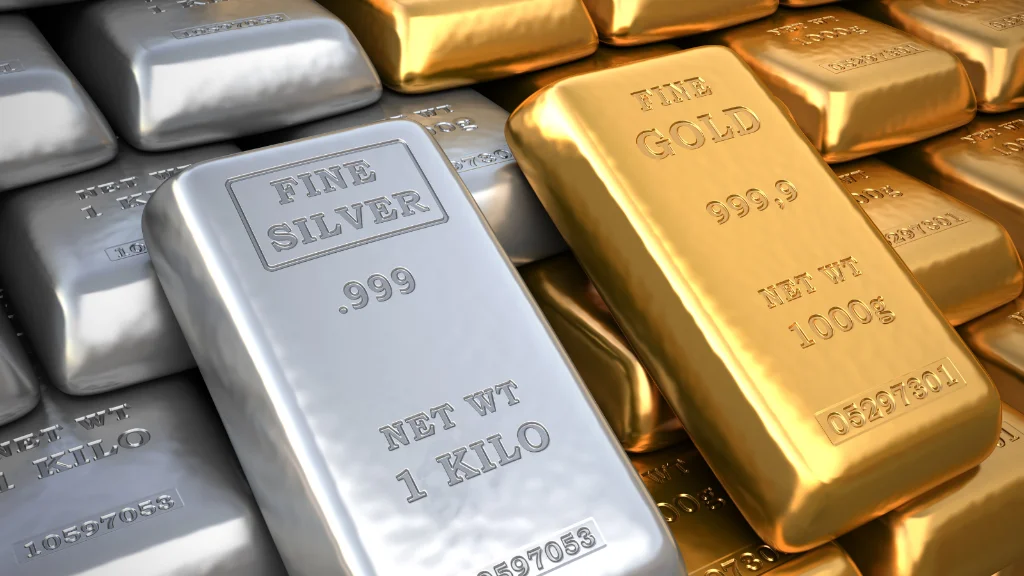 Silver offers higher growth potential but also higher volatility compared to gold. Combining both metals improves risk-adjusted returns.
Holding 5% gold and 5% silver instead of 10% in one metal creates better diversification. Gold stabilizes the portfolio while silver enhances upside during industrial growth cycles.
Conclusion: The Future of Your Wealth
The world of finance is changing, and staying attached to old methods can be a costly mistake. Digital silver portfolio diversification offers a unique opportunity to combine the time-tested security of precious metals with the speed and convenience of the digital age.
By making a conscious effort to diversify your portfolio silver and maintaining a steady silver allocation, you are not just saving money; you are building a resilient financial fortress.
The industrial demand for silver isn't going away, and the ease of digital access is only going to improve. If you are ready to take control of your financial journey and explore smarter ways to grow your assets, it is time to look at tools that make this transition seamless.