
When you think of gold, you probably picture a heavy set of bangles or a shimmering necklace tucked away in a locker.
For generations, this was the only way to own the "yellow metal." However, as we navigate through 2026, the way we save and invest has undergone a massive shift. Today, the choice isn’t just about 22-carat versus 24-carat; it is about the medium of ownership itself.
The debate between digital gold vs jewellery investment has become a central theme for modern households. On one hand, you have the sentimental and cultural value of physical ornaments.
On the other hand, you have the clinical efficiency and cost-effectiveness of buying gold online. If you are trying to decide where to park your hard-earned money, you need to look beyond the shine.
This guide breaks down everything you need to know about these two paths, ensuring your portfolio remains as solid as the metal itself.
Understanding the Shift: Why Modern Investors Buy Gold Online
The primary reason why investors now prefer to buy gold online is the elimination of "middleman" costs. When you walk into a traditional jewellery store, you aren't just paying for the gold. You are paying for the craftsmanship, the showroom’s electricity, the staff’s commission, and a significant amount of "wastage."
Digital gold, by contrast, is a pure financial instrument. When you buy gold online, you are purchasing 24-carat gold of 99.9% purity that is stored in insured, professional vaults. You don’t have to worry about a locker or a thief.
You simply own a digital certificate that is backed 1:1 by real, physical bullion. This shift isn't just about technology; it's about maximizing the "gold value" of every rupee you spend.
1. Entry Cost: Making Charges vs Pure Metal Value
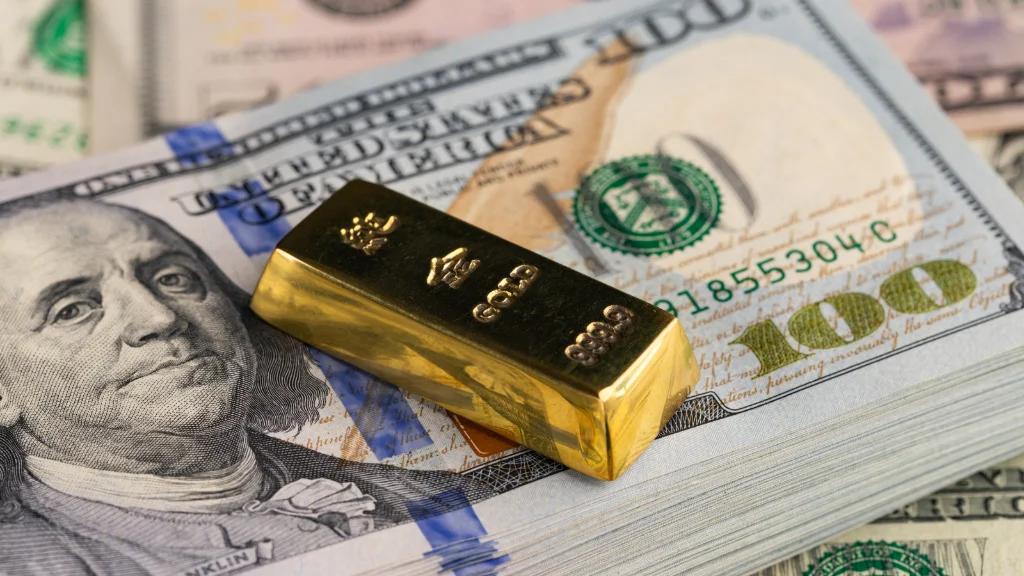 The biggest difference between digital gold and jewellery starts at the time of purchase. When you buy jewellery, you are not just paying for gold; you are paying for design, craftsmanship, branding, and showroom overheads. Making charges usually range from 8% to 25% of the gold value. On top of that, GST is applied not only to the gold but also to the making charges.
Digital gold, on the other hand, is priced almost entirely based on the live gold rate plus a small transparent spread and 3% GST. There are no design costs or wastage charges. This means your money goes directly into buying pure gold weight.
Differentiating Factor: Jewellery is part investment, part consumption. Digital gold is a pure investment. If your goal is wealth accumulation, digital gold gets you closer to breaking even.
2. Liquidity: Instant Sale vs Physical Hassle
Liquidity becomes critical when you need urgent cash. Selling jewellery involves visiting a jeweller, getting purity tested, sometimes melting the ornament, and negotiating the buyback rate. Many jewellers deduct 5–10% from the prevailing market price.
With digital gold, you can sell anytime, usually 24/7, directly through the app. The price is linked to live market rates, and funds are credited quickly to your bank account. There is no testing, no bargaining, and no deductions beyond the transparent spread.
Differentiating Factor: Jewellery liquidity depends on the buyer. Digital gold liquidity depends on the platform and market rate, making it faster and more predictable.
3. Fractional Ownership: Small Savings vs Bulk Buying
Jewellery requires lump-sum purchasing. You cannot buy 0.5 grams for daily savings in practical terms. Most purchases involve thousands or lakhs of rupees.
Digital gold allows micro-investing. You can start with ₹10, ₹100, or ₹500. This makes gold accessible to students, young professionals, and small savers. It also allows systematic buying, investing small amounts regularly, regardless of market fluctuations.
Differentiating Factor: Jewellery demands large capital upfront. Digital gold supports disciplined, small, regular investing.
4. Dollar-Cost Averaging Advantage
When you buy jewellery, timing matters heavily because purchases are infrequent and large. If prices are high, your average cost becomes high.
With digital gold, you can buy in small amounts every week or month. If prices dip, you buy more. If prices rise, you buy less. Over time, this averages your purchase cost and reduces timing risk.
This approach is similar to SIP investing in mutual funds, spreading risk across time rather than betting on a single entry point.
Differentiating Factor: Jewellery is usually bought emotionally at a single price. Digital gold allows strategic accumulation over time.
5. Taxation Differences at Entry
 Under Indian tax law, both digital gold and physical gold are taxed similarly when sold. Short-Term Capital Gains (STCG) apply if sold within 24 months. Long-Term Capital Gains (LTCG) apply after 24 months at 12.5% (as per recent updates).
However, at the time of purchase, jewellery attracts an extra cost. You pay 3% GST on gold plus 5% GST on making charges. Digital gold typically only includes 3% GST on the gold value.
Differentiating Factor: While the capital gains tax is similar, jewellery carries a higher upfront tax due to making charges. Digital gold is more cost-efficient at purchase.
6. Storage and Security Costs
Physical jewellery must be stored safely. Many families use bank lockers, which cost annual fees. Some insure jewellery separately, adding recurring expenses. Over 10 years, these hidden costs reduce net returns.
Digital gold is stored in insured vaults managed by professional custodians. Storage costs are usually included in the platform’s spread. There is no need for lockers, physical handling, or theft risk at home.
Differentiating Factor: Jewellery has visible beauty but hidden storage cost. Digital gold has invisible holding but built-in security.
7. Purity and Standardization
Jewellery is usually 22K or 18K gold because pure 24K gold is too soft for ornaments. This means you are not buying fully pure bullion. Additionally, purity testing during resale can lead to deductions.
Digital gold typically represents 24K gold with 99.9% purity (999 fineness). It is standardized and verified. There is no ambiguity during resale because it is already pure bullion.
Differentiating Factor: Jewellery prioritizes durability and design. Digital gold prioritizes purity and standardized value.
8. Physical Backing and Transparency
A common concern about digital gold is whether the gold actually exists. Reliable platforms maintain 1:1 physical backing, meaning every gram purchased digitally is backed by real gold stored in vaults. These holdings are insured and audited regularly.
Jewellery, of course, is physically in your hand, which provides emotional comfort. However, digital gold provides documentation, audit trails, and transparent weight tracking.
Differentiating Factor: Jewellery offers physical possession. Digital gold offers documented ownership with vault-backed security.
9. Ease of Conversion to Physical Form
Jewellery has immediate wearable utility. Digital gold does not provide emotional satisfaction until converted. However, many platforms allow conversion of digital gold into coins or jewellery once you accumulate sufficient weight. You pay the making and delivery charges only at the time of conversion.
This hybrid strategy allows you to accumulate weight efficiently over the years and convert only when needed for weddings or gifting.
Differentiating Factor: Jewellery is immediate but expensive. Digital gold allows delayed conversion with cost efficiency.
10. Transparent Pricing and Buy-Sell Spread
 Jewellery pricing is often complex. Apart from the gold rate, there are making charges, wastage, design premiums, and negotiable discounts. Buyback terms differ from shop to shop.
Digital gold pricing is usually transparent. The buy and sell price difference (spread) ranges between 2–3% and is clearly visible. Prices are linked to live bullion rates. There is minimal scope for hidden negotiation.
Differentiating Factor: Jewellery pricing varies by seller. Digital gold pricing is standardized and transparent.
In simple terms, jewellery serves emotional, cultural, and lifestyle needs. Digital gold serves financial efficiency, liquidity, and systematic wealth accumulation. The smarter strategy for many investors is to accumulate digitally over time and convert to physical only when necessary, combining logic with tradition.
Choosing a Reliable Platform
Selecting the right partner for your gold investment is just as important as the investment itself. Since you are trusting a digital entity with your wealth, you need to ensure the platform adheres to institutional standards of security and transparency.
The market in 2026 is crowded, but a reliable provider will always offer clear documentation and seamless transaction processes.
When you decide to buy gold online, you should evaluate several critical factors to protect your capital. These benchmarks help distinguish between a simple trading app and a professional-grade bullion service.
Conclusion
Deciding between digital gold vs jewellery investment depends entirely on your "Why." If you are looking for a beautiful heirloom to pass down or wear at a gala, go for jewellery, but accept the 20% "vanity tax."
However, if your goal is to build a robust financial future, you should buy gold online. It offers better purity, higher liquidity, and significantly lower overhead costs. In the modern era, your gold should work for you, not just sit in a box. By combining the ease of digital accumulation with the eventual tangibility of physical gold, you can enjoy the best of both worlds.