Understanding the precious metals market can feel confusing at first. Prices move every day, and without knowing the reasons behind those movements, it may seem like random noise.
Silver is especially interesting because it plays two major roles in the global economy:
A financial safe-haven asset, similar to gold
A critical industrial metal used in modern technology
Because of this unique dual role, silver price cycles often behave differently from other commodities. When the market turns bullish, silver can move much faster than gold or other metals.
Recently, silver has entered a strong growth phase. Many analysts studying silver price predictions for 2026 believe we are witnessing a structural shift rather than a short-term price spike.
To understand where prices may go next, we first need to understand how silver cycles work and what drives them.
What Are Silver Price Cycles?
A market cycle is the process by which an asset moves from a low point, rises to a peak, and then cools down before the next cycle begins.
Two main forces influence Silver cycles:
Investor sentiment
Industrial demand
Unlike gold, which is mostly stored by investors and central banks, more than 50% of silver is used in industries every year. When global manufacturing expands, especially in technology and renewable energy, silver demand rises.
The Four Phases of a Silver Market Cycle
Most silver price cycles follow a predictable four-stage pattern.
1. Accumulation Phase
Prices are low, and market interest is weak.
However, experienced investors quietly start buying silver while it is undervalued.
2. Mark-Up Phase
Demand begins to increase, and positive news spreads.
Silver prices start rising steadily as more investors enter the market.
3. Distribution Phase
Prices reach high levels, and market excitement grows.
Early investors begin selling their holdings to newer buyers entering during the hype.
4. Correction Phase
Demand slows, and prices decline.
Eventually, the market stabilizes, and a new accumulation phase begins.
Key Drivers Behind Silver Price Predictions
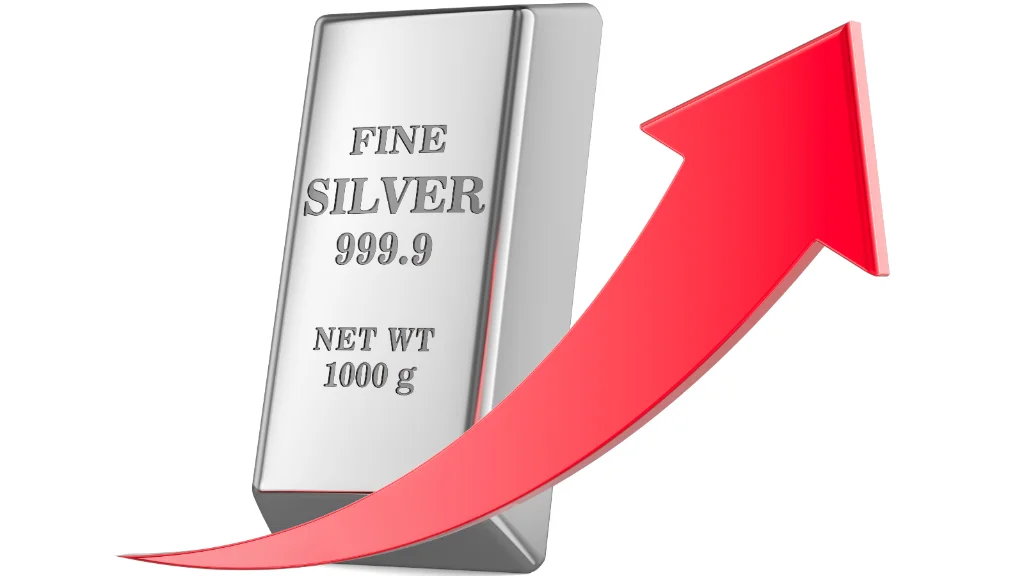 Experts don't guess silver prices randomly. They analyze several economic indicators that strongly influence the market.
Since silver is a smaller market than gold, even a small increase in demand can cause sharp price movements.
Currently, several powerful trends are supporting silver demand, especially the global shift toward clean energy and advanced technology.
1. Rising Industrial Demand
Industrial demand is currently the strongest driver of silver prices.
Silver is the most electrically conductive metal on Earth, making it essential for modern electronics and renewable energy.
Three industries are creating particularly strong demand:
Solar Panels
Solar photovoltaic cells use silver paste to conduct electricity.
As countries expand renewable energy capacity, silver demand rises.
Electric Vehicles
Traditional vehicles use around 15–28 grams of silver.
Electric vehicles require 25–50 grams due to advanced electronics and battery systems.
5G and Electronics
The rollout of 5G infrastructure and advanced semiconductors relies heavily on silver’s conductivity.
Together, these sectors are creating a long-term demand increase that mining supply struggles to match.
2. The Gold-to-Silver Ratio
The gold-to-silver ratio is one of the most popular tools used by analysts.
It measures how many ounces of silver are required to buy one ounce of gold.
Historically, the ratio averaged around 15:1, but in modern markets it fluctuates widely.
Key signals include:
Above 80:1 → Silver may be undervalued
Below 40:1 → Silver may be expensive relative to gold
When the ratio falls rapidly, silver often experiences strong price rallies.
3. Interest Rates
Silver does not generate interest or dividends.
This means its attractiveness depends heavily on global interest rates.
High interest rates: Investors prefer bonds and savings accounts
Low interest rates: Precious metals become more attractive
When central banks lower rates, investors often move capital into hard assets like silver to protect purchasing power.
4. Strength of the US Dollar
Silver is traded globally in US dollars, so currency strength plays a major role.
Typically, silver and the dollar move in opposite directions.
When the dollar weakens:
Silver becomes cheaper for foreign buyers
Investors buy metals to hedge against currency depreciation
This usually pushes silver prices upward.
Key Market Factors at a Glance
Factor | Impact on Silver Price | Typical Cycle Phase |
Rising Industrial Demand | Bullish | Mark-Up Phase |
High Gold-Silver Ratio | Buying Opportunity | Accumulation |
Falling Interest Rates | Bullish | Mark-Up Phase |
Strong US Dollar | Bearish | Correction |
Historical Silver Price Cycles
Looking at history helps explain current market conditions.
Silver often stays flat for long periods before making powerful upward moves.
Time Period | Market Behavior | Main Driver |
1970–1980 | Explosive rally | Inflation and speculative demand |
1980–2000 | Long stagnation | Weak investment demand |
2001–2011 | Commodity boom | Emerging markets growth |
2012–2020 | Slow recovery | Gradual industrial demand |
2021–2026 | Structural growth | Renewable energy transition |
Here it is reorganized into 3 clear sections while keeping the information easy to read and structured for readers.
Why the 2025–2026 Silver Market Is Different
 One of the most important developments in the silver market today is the global supply deficit. For several consecutive years, the world has been consuming more silver than it produces annually, creating a growing imbalance between supply and demand.
Increasing silver production is not easy. There are two main reasons:
Silver is often mined as a byproduct of other metals such as copper, lead, or zinc. This means miners cannot quickly increase silver output unless production of those other metals also rises.
New mining projects take years to develop, requiring large investments, environmental approvals, and infrastructure before they begin producing metal.
Because supply cannot grow quickly while demand continues rising, especially from industries like renewable energy and electronics, this shortage creates strong upward pressure on silver prices. Many analysts believe this supply-demand imbalance is one of the key reasons the silver market is gaining attention in the 2025–2026 period.
How to Spot a Turning Point in Silver Prices
Predicting the exact bottom or top of the silver market is extremely difficult. Instead of trying to time the market perfectly, investors usually watch for signals that indicate a change in trend.
Some common indicators include:
Falling silver inventories in major storage hubs such as London and New York suggest strong demand.
Gold prices are rising before silver, as gold often leads precious metal rallies.
Geopolitical uncertainty, which pushes investors toward safe-haven assets like silver.
Many traders also track the 200-day moving average, a long-term indicator used to measure overall market direction. If silver prices remain consistently above the 200-day average, it often signals that the market has entered a bullish trend.
Silver’s Volatility and Its Future Role in Technology
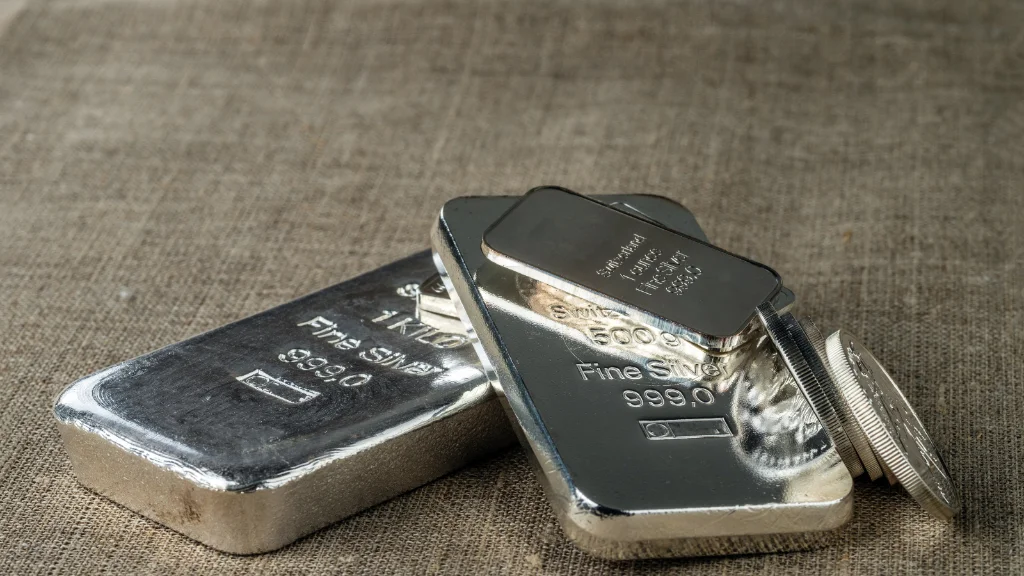 Silver is known for being more volatile than gold. This is mainly because the silver market is much smaller, roughly one-tenth the size of the gold market.
Because of this smaller size:
Large institutional investors can move the price quickly.
Daily price swings of 5–10% are not unusual during active market periods.
While this volatility can make silver risky in the short term, it also allows the metal to produce significant gains during strong bull markets.
At the same time, silver’s future is closely tied to modern technology. Today, it is an essential material used in:
Artificial intelligence hardware
Data centers and advanced electronics
High-performance batteries
Solar panels and renewable energy systems
As the world becomes more digital and electrified, the demand for silver is expected to keep growing. Unlike previous cycles driven mostly by investor speculation, current demand is supported by essential industrial use, which may provide stronger long-term support for prices.
For investors navigating silver markets, many experts recommend long-term strategies such as dollar-cost averaging, buying small amounts regularly to reduce the impact of volatility. Monitoring trends such as supply deficits, the gold-to-silver ratio, and technological demand can also help investors better understand where the silver market may be heading in the future.
Conclusion: The Emerging “Silver Age”
The current silver market looks very different from previous decades.
Silver now sits at the intersection of two powerful forces:
Financial demand as a store of value
Industrial demand from technology and clean energy
As the world transitions toward electrification and renewable power, silver may become even more critical to global infrastructure.
While prices will still experience ups and downs, many analysts believe the long-term foundations for silver remain strong.