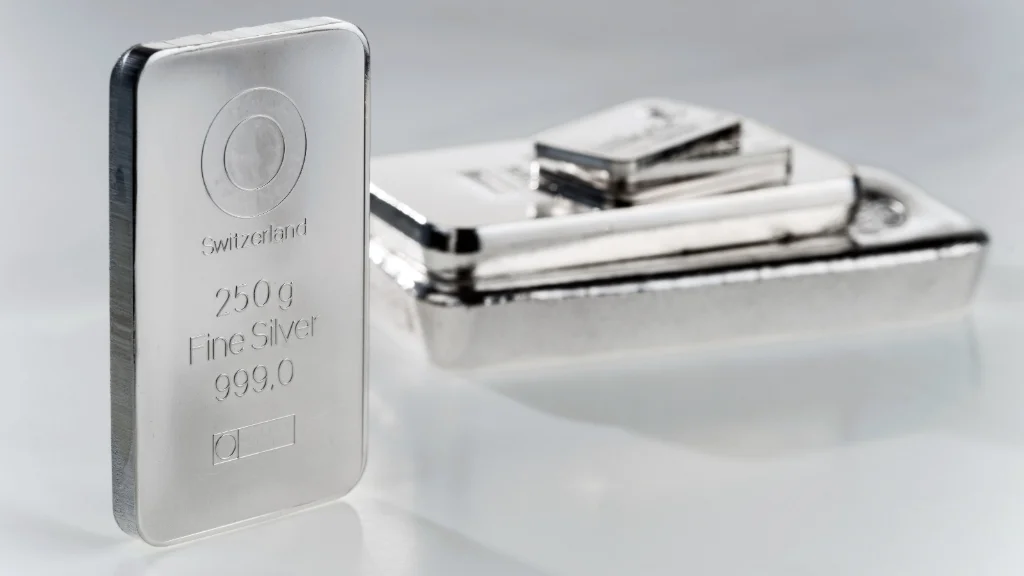
Investing in precious metals has always been a game of patience and physical security. For decades, the primary hurdle wasn't just the price of the metal itself, but the friction involved in moving it.
If you wanted to turn your silver bars into cash, you had to find a reputable buyer, verify the purity, and often accept a significant "haircut" on the market price. Digital silver has completely flipped this script.
By removing the physical barriers to entry and exit, digital platforms have introduced a level of efficiency that was previously impossible.
When we talk about digital silver liquidity, we are referring to how quickly and easily you can convert your digital holdings back into spendable currency without losing value to middlemen or appraisal delays. It is the bridge between the age-old stability of silver and the lightning-fast execution of modern fintech.
What exactly is Digital Silver Liquidity?
In the simplest terms, liquidity is the heartbeat of any healthy investment. It represents the ability to sell digital silver at a moment's notice at the prevailing market rate. In the traditional world, silver is "clumpy", it exists in heavy bars or coins that require physical transport and manual authentication. This makes it a low-liquidity asset.
Digital silver, however, is a tokenized or electronic representation of 99.9% pure bullion stored in professional, insured vaults. Because the metal is already verified and held by a trusted custodian, you don't have to wait for someone to test your silver before they buy it. This allows for near-instant transactions, ensuring that your capital is never "trapped" in a physical form when you need it most.
Key Factors Defining Liquidity
 To understand why this is a massive shift for B2B entities and individual investors alike, we need to look at the mechanics behind the screen. Digital silver liquidity is driven by several operational pillars that ensure the market stays fluid.
Real-Time Market Pricing: Prices are synced with global benchmarks like the LBMA (London Bullion Market Association), ensuring you get a fair price.
Two-Way Quoting: Reputable platforms offer both a "buy" and "sell" price simultaneously, allowing for an immediate exit strategy.
Back-End Fulfillment: Every digital gram is backed 1:1 by physical silver, meaning the liquidity is rooted in a tangible, high-demand asset.
Fractional Trading: You aren't forced to sell a whole kilogram; you can sell exactly the amount you need, down to the decimal.
Why Liquidity Matters More Than Ever in 2026
The financial landscape of 2026 is defined by volatility and rapid shifts in industrial demand. Silver is no longer just a "safe haven" metal; it is a critical component in the green energy revolution, used heavily in solar panels, electric vehicles (EVs), and AI hardware. This dual role, precious and industrial, creates price movements that investors want to capitalize on quickly.
If you cannot sell digital silver when the market peaks, you miss out on the tactical advantages that silver offers. High silver liquidity ensures that you can react to geopolitical events or industrial breakthroughs in seconds rather than days. For businesses looking to hedge against inflation while maintaining access to working capital, this flexibility is a non-negotiable requirement.
Comparative Liquidity: Digital vs. Physical
The difference in liquidity between these two formats is stark. When you hold physical silver, you are responsible for the entire supply chain of the sale. With digital, the platform handles the heavy lifting.
Feature | Physical Silver | Digital Silver |
Sale Speed | Days (Finding buyer + testing) | Seconds (Instant execution) |
Price Transparency | Varies by local dealer | Real-time global spot price |
Transaction Cost | High (Testing fees + transport) | Minimal platform spread |
Minimum Sell Amount | Fixed (Coin or Bar size) | Fractional (Start from 1 gram) |
Storage Risk | High (Theft/Damage) | Zero (Insured professional vaults) |
The Role of Technology in Boosting Silver Liquidity
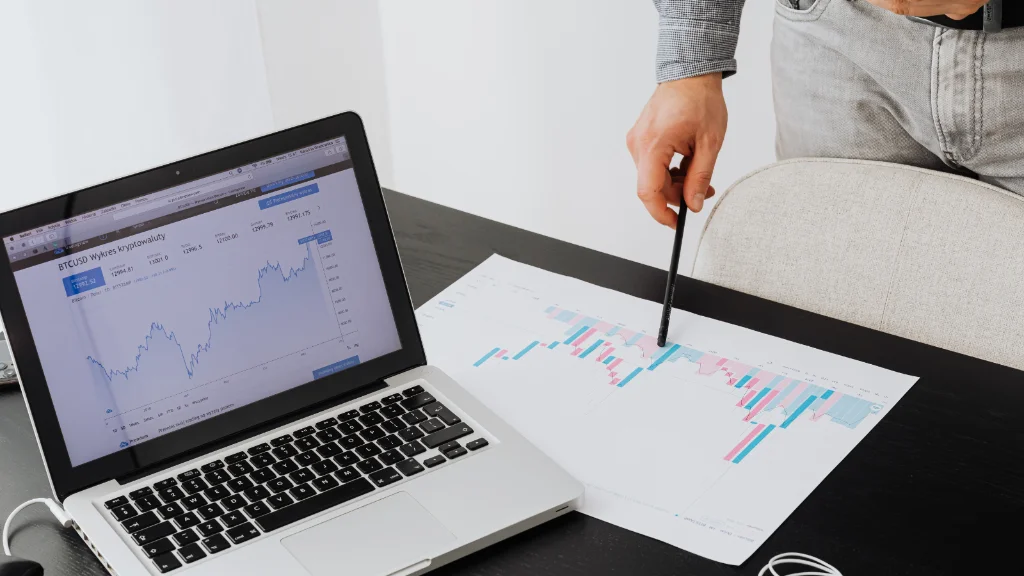 The "digital" in digital silver isn't just a label; it’s a sophisticated infrastructure. Modern platforms use secure ledgers to track ownership, meaning that when you decide to sell digital silver, the ownership record is updated instantly. This eliminates the need for the physical metal to leave the vault every time a transaction occurs.
This system creates a "pooled" liquidity environment. Because thousands of investors are trading on the same platform, the volume remains high, which naturally keeps the "spread" (the difference between buying and selling prices) narrow. For the user, this means better returns and a smoother experience.
Storage: Physical Silver in LBMA-Certified Vaults
Every unit of digital silver begins its journey as physical bullion. For a platform to offer high silver liquidity, it must first ensure the metal is held in an LBMA-certified, high-security, and fully insured vault. This professional storage setup eliminates the risks associated with personal possession and ensures that when you decide to sell digital silver, the asset is already in a location where it can be instantly verified.
1. Digitalization: Issuing Digital Units for Physical Bullion
Once the silver is securely vaulted, it is converted into digital certificates or units that represent a specific weight of the metal. This process is the core of digital silver liquidity, as it translates a heavy physical asset into a nimble digital format.
These units are tracked on a secure ledger, allowing ownership to be transferred or sold without the physical bars ever needing to leave the vaulting facility.
2. Trading: Buying and Selling at Live Market Rates
The trading phase is where the speed of the digital world meets the stability of precious metals. You can buy or sell digital silver on a platform at live market rates that update every few seconds.
Because the platform acts as a centralized marketplace, it connects buyers and sellers instantly, ensuring that you can execute trades based on real-time global price movements rather than waiting for local dealer quotes.
3. Settlement: Instant Order Matching and Fund Transfers
Settlement is the process of finalizing the trade and moving the value into your account. When you choose to sell digital silver, the platform instantly matches your sell order with existing market demand.
This high level of silver liquidity means your transaction doesn't get stuck in a queue. Once the match is made, the equivalent cash value is moved to your digital wallet or linked account, making the exit process incredibly smooth.
4. Redemption: Optional Physical Delivery of Silver
While the primary benefit of digital holdings is the ease with which you can sell digital silver for cash, the cycle is completed by the option for physical redemption. If an investor decides they want to hold the tangible metal, they can opt for physical delivery.
This ensures that the digital unit is always grounded in reality, providing a final layer of trust and flexibility for those who want to transition from digital back to physical.
Maximizing Your Returns with Smart Exit Strategies
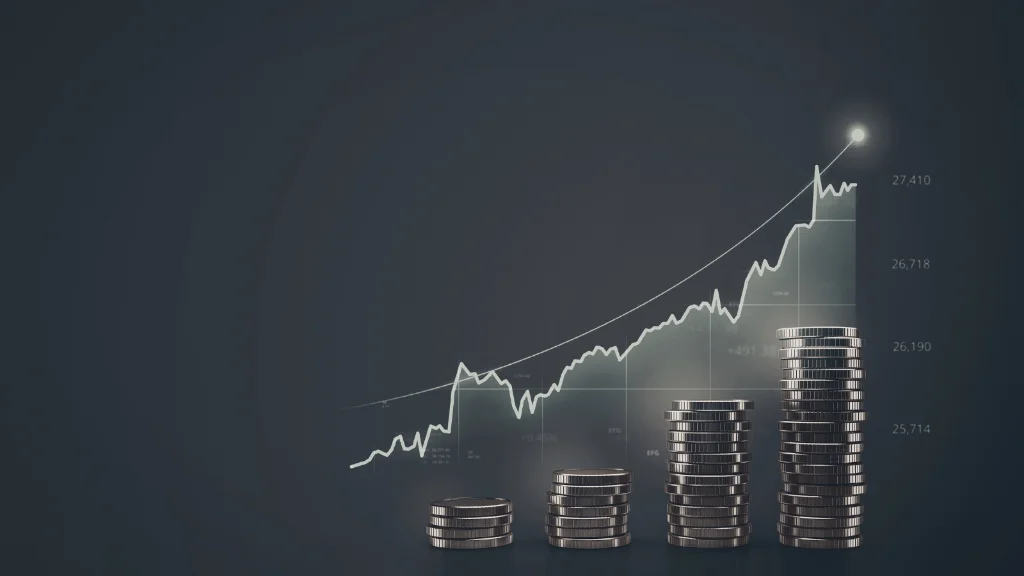 To truly benefit from silver liquidity, you need to know how to navigate the market. Just because an asset is liquid doesn't mean you should sell it at the wrong time.
In 2026, we’ve seen silver outperform many traditional assets due to supply deficits and the expansion of the semiconductor industry.
Smart investors use the high silver liquidity of digital platforms to "stagger" their exits. Instead of selling everything at once, the ability to trade in small increments allows you to take profits gradually as prices rise.
This strategy, known as "scaling out," is only possible because digital platforms don't charge the massive per-transaction fees that traditional jewelers or pawn shops do.
1. Use a Staggered Exit Strategy
Instead of selling your entire holding at once, sell in parts as prices rise. This “scaling out” method helps you lock in profits gradually while still keeping exposure if silver continues to rally. Digital platforms make this easy because you can transact in small quantities without heavy charges.
2. Track Industrial Demand Trends
Silver prices in 2026 are heavily influenced by semiconductor expansion, EV growth, and solar manufacturing. Monitor supply deficits and industrial consumption data before making exit decisions.
3. Watch the Gold-Silver Ratio
The gold-silver ratio is a key indicator. When the ratio narrows sharply, silver may be nearing a short-term peak. Use this metric to time partial exits more effectively.
4. Monitor the Buy-Sell Spread
Always check the difference between the platform buy and sell prices. A narrow spread ensures you do not lose unnecessary margin during entry or exit.
5. Confirm Fast Settlement Cycles
Choose platforms offering T+0 or T+1 settlements. Quick payouts ensure liquidity is real and usable during emergencies or market spikes.
6. Verify Third-Party Audits
Only invest through platforms that publish independent audit reports of physical silver holdings. This protects you from liquidity or reserve mismanagement risk.
7. Check Insurance Coverage
Ensure the silver is insured against theft, fraud, and natural disasters. Insurance by global providers adds an extra safety layer.
8. Assess Trustee Oversight
Look for trustee-backed structures that prevent overselling of silver inventory. This reduces counterparty risk.
9. Avoid Hidden Lock-In Clauses
Read exit terms carefully. There should be no lock-in periods or hidden fees that restrict your ability to sell digital silver quickly.
10. Use SIPs for Smart Entry
Just as liquidity helps you exit efficiently, SIP-style buying helps average your entry price and reduce timing risk in volatile markets.
The Industrial Impact on Liquidity
 One reason silver liquidity remains so high is the constant demand from the industrial sector. Silver is the most conductive metal on earth. As the world pushes toward net-zero emissions, the demand for silver in solar grids is projected to stay at record highs through 2030.
This industrial "floor" under the price means that there is always a buyer on the other side of your trade. Unlike "meme coins" or speculative stocks that can see their liquidity vanish overnight, silver has thousands of years of history and thousands of modern industrial uses.
When you choose to sell digital silver, you are tapping into a global market that spans from jewelry in Mumbai to tech hubs in Silicon Valley.
Conclusion: Embodying the New Standard of Wealth
Digital silver has transformed from a niche fintech experiment into a cornerstone of modern portfolio management. It offers the perfect marriage of ancient value and futuristic speed. By understanding the nuances of silver liquidity, you empower yourself to move in and out of the market with confidence, ensuring your wealth is never stagnant.
The days of worrying about lockers, purity certificates, and predatory buy-back rates are over. Today, you can build a silver reserve from your phone and liquidate it just as easily. As we look at the trends for the rest of 2026 and beyond, the ability to sell digital silver instantly will remain one of the most significant advantages for any serious investor.