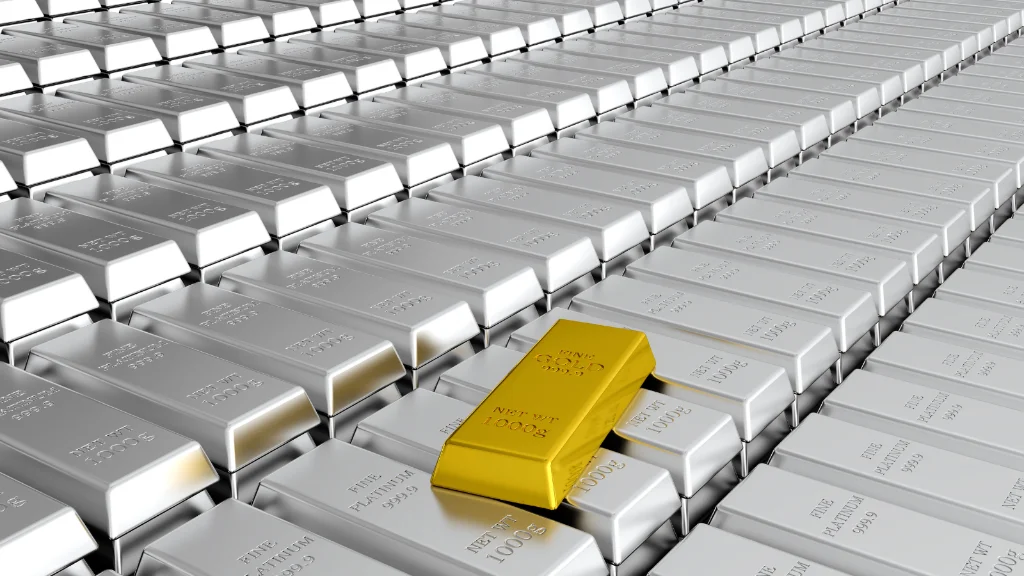
For decades, gold has held the throne in the kingdom of precious metals. It is the go-to asset for central banks, a stabilizer for global economies, and the ultimate insurance policy against inflation.
However, the narrative is shifting as we navigate the financial landscape of 2026. While gold remains a titan of stability, a growing number of institutional and retail investors are looking at silver, specifically in its digital form, as a sleeping giant that may be significantly undervalued.
The conversation is no longer just about owning a "cheaper" version of gold. It is about a metal that serves dual purposes: as a financial hedge and as a critical industrial component.
If you are analyzing a silver vs gold investment, the current market dynamics suggest that silver's versatility might finally be closing the valuation gap.
Understanding the Gold-to-Silver Ratio in 2026
The most traditional way to determine if silver is undervalued is by looking at the gold-to-silver ratio (GSR). This ratio represents the number of ounces of silver required to purchase a single ounce of gold. Historically, this ratio has served as a primary signal for investors to rotate their capital between the two metals.
In early 2026, the market has seen gold trading near $4,500–$5,000 per ounce, while silver has made a dramatic climb toward the $80–$100 range.
Despite silver's recent 160% surge in 2025, the ratio remains in a territory that historically suggests silver has more room to run. When the ratio is high, silver is considered "cheap" relative to gold; when it compresses, silver outperforms.
Metric | Gold (Current Estimate) | Silver (Current Estimate) |
Price (Approx) | $4,538 / oz | $81.50 / oz |
Annual Volatility | 14.7% | 26.6% |
Primary Driver | Monetary Policy / Safety | Industrial / Green Tech |
Historical GSR | ~60:1 (Average) | Current ~56:1 to 59:1 |
The current compression of the ratio from its 2020 peak of 125:1 to the current sub-60 level shows that silver is aggressively catching up.
However, many analysts believe that as long as gold remains at record highs, silver’s industrial scarcity could push the ratio even lower, potentially toward the 30:1 or 40:1 levels seen in previous bull cycles.
Why Digital Silver is Changing the Investment Game
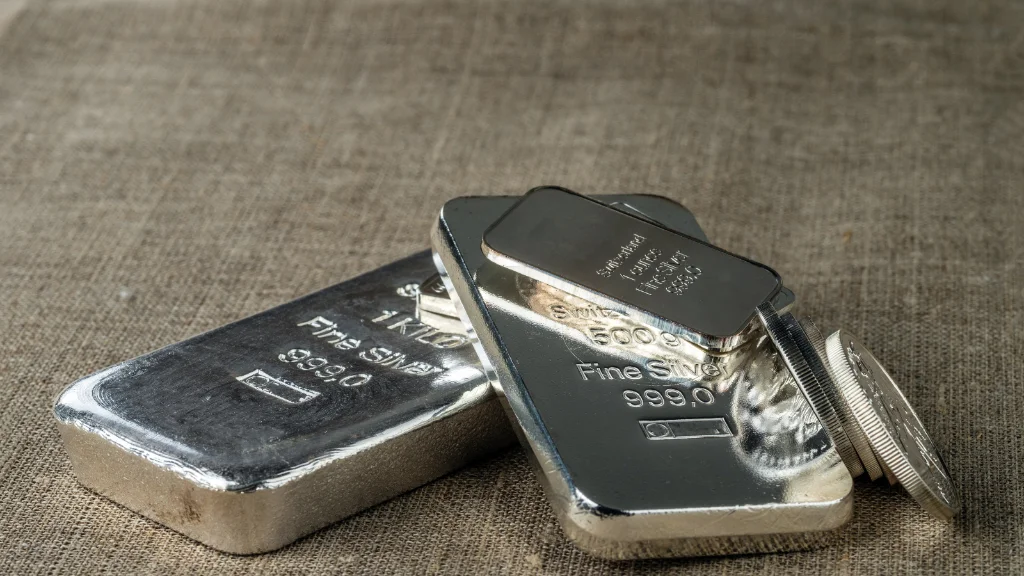 For many years, the barrier to silver investment was the metal's physical bulk. To hold the same value as a small gold bar, you would need a significantly larger and heavier amount of silver.
This made storage, insurance, and transportation a logistical nightmare for the average investor. The rise of a silver investment platform has effectively neutralized these disadvantages.
By choosing to buy silver online, you gain exposure to the price of 99.9% pure bullion without the physical burden.
These platforms allow for fractional ownership, meaning you can start with a very small amount and build your position over time. This accessibility is a primary reason why silver is seeing a massive influx of retail capital in 2026.
The Benefits of Digital over Physical
Instant Liquidity: Unlike physical coins or bars that require a buyer and a purity check, digital assets can be liquidated at the click of a button.
Regulated Purity: Most platforms partner with LBMA-certified vaults, ensuring the silver backing your investment is of the highest possible grade.
Cost Efficiency: You avoid the high "making charges" and "dealer premiums" typically associated with physical silver.
Safe Storage: Professional, insured vaulting removes the risk of theft or damage at home.
The Industrial Engine Driving Silver’s Value
While gold is largely stored in vaults, silver is being used up. In 2026, the "Green Revolution" is no longer a future concept; it is the current reality. Silver’s unique conductivity makes it indispensable for solar panels, electric vehicle (EV) components, and 5G infrastructure.
The supply-demand deficit is perhaps the strongest argument for silver being undervalued. While gold mining is relatively steady, silver is often produced as a byproduct of lead, zinc, and copper mining.
This means silver supply cannot easily increase even when prices skyrocket. With the global solar capacity expected to double and EV penetration reaching new highs, the industrial "floor" for silver prices is rising faster than that of gold.
Key Industrial Drivers for 2026
Solar Photovoltaics: Massive global installations require thousands of tons of silver paste annually.
Automotive Evolution: EVs use nearly double the silver of internal combustion engines due to complex electrical systems.
Artificial Intelligence: The hardware required for AI data centers relies on silver-heavy semiconductors and connectors.
Strategic Portfolio Allocation: Finding the Balance
 When deciding on a silver vs gold investment, it is rarely an "either-or" scenario. Most sophisticated investors treat gold as their "anchor", the stable foundation of the portfolio, and silver as the "alpha generator." Because silver has a higher beta than gold, it tends to move more violently. In a precious metals bull market, silver usually starts slower than gold but eventually overtakes it in percentage gains.
Experts in 2026 suggest a staggered entry approach. Given the volatility, using a silver investment platform to set up a Systematic Investment Plan (SIP) allows you to average your purchase price. This mitigates the risk of buying at a temporary peak while ensuring you are positioned for the long-term trend of ratio compression.
Gold: Typically provides steady 8%–12% annual growth during periods of currency devaluation.
Silver: Can deliver explosive returns (100%+) during industrial supply squeezes but carries a higher risk of sharp pullbacks.
Conclusion: Is the Gap Closing?
The evidence suggests that silver's "undervalued" status is rapidly changing as the world realizes its industrial necessity. While gold will always be the ultimate store of value, silver offers a unique growth trajectory that gold simply cannot match in a high-tech, green-energy economy.
By utilizing a modern silver investment platform, investors can now bypass the old hurdles of storage and entry costs, making the silver vs gold investment debate more accessible than ever before.
If you are looking to diversify your holdings and capitalize on the next phase of the precious metals rally, it is time to look beyond the glitter of gold. The white metal is no longer just "poor man's gold"; it is the fuel for the future.
Begin your digital investment journey with a sharper perspective. Leveraging real-time data and strategic insights can help you better understand the evolving dynamics of the precious metals space, because your portfolio’s next big move is shaped by the quality of information guiding it.