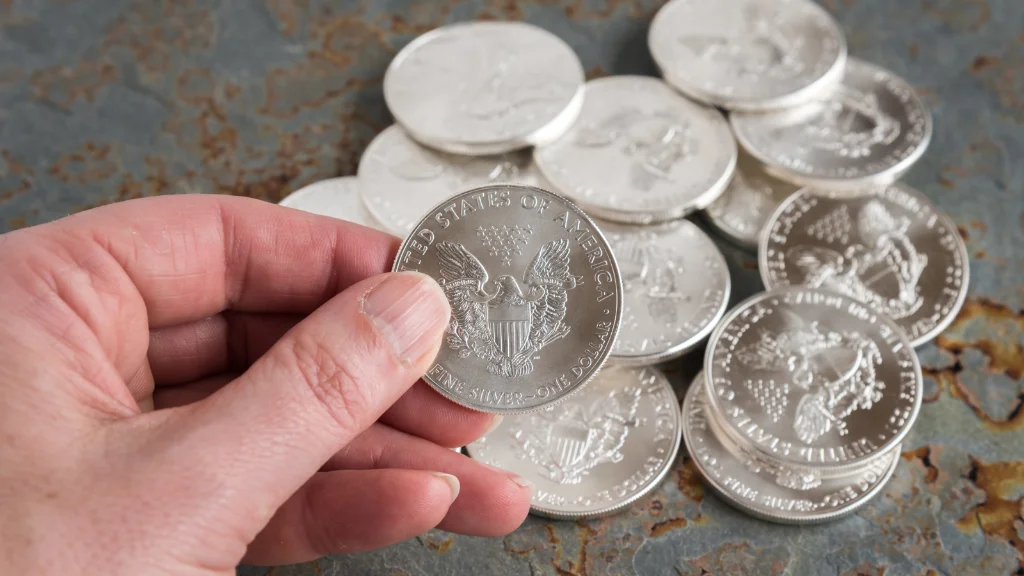
In the ever-evolving world of precious metals, silver has emerged from the shadow of gold to become a powerhouse in its own right. As of 2026, the metal’s dual role as both a safe-haven asset and a critical industrial component, essential for solar panels and electric vehicles, has pushed its price to historic levels.
For many modern investors, the days of keeping heavy silver bricks under the mattress are fading. Instead, the focus has shifted toward more efficient, liquid, and secure digital avenues.
Two of the most prominent contenders in this space are Digital Silver and Silver ETFs. While both offer a way to profit from price movements without the hassle of physical storage, they operate under different rules, regulations, and tax structures.
Choosing the right path depends on whether you value the flexibility of a mobile app or the institutional security of the stock market. This guide breaks down everything you need to know about the silver ETF vs. digital silver SIP debate to help you secure your financial future.
Understanding Digital Silver and the Power of SIPs
Digital silver is a modern investment product that allows you to buy 99.9% pure silver for as little as ₹1. When you purchase silver through a digital platform, the provider buys an equivalent amount of physical bullion and stores it in high-security, insured vaults on your behalf. It offers the ultimate convenience for those who want to start small and build their wealth over time without visiting a jeweler.
A significant advantage of this format is the ability to start a silver ETF vs digital silver SIP. Unlike lump-sum purchases, a Systematic Investment Plan (SIP) in digital silver allows you to automate your savings. By investing a fixed amount every month, you benefit from rupee-cost averaging, which lowers your average purchase price during market volatility.
Low Entry Barrier: You can start your silver journey with pocket change, making it highly accessible.
24/7 Access: Digital platforms allow you to buy or sell silver at any time of the day, unlike traditional markets.
Physical Redemption: Most digital silver providers give you the option to convert your digital balance into physical coins or bars delivered to your doorstep.
Instant Liquidity: You can liquidate your holdings instantly and receive the funds in your bank account via UPI or IMPS.
The Rise of Silver ETFs in the Modern Portfolio
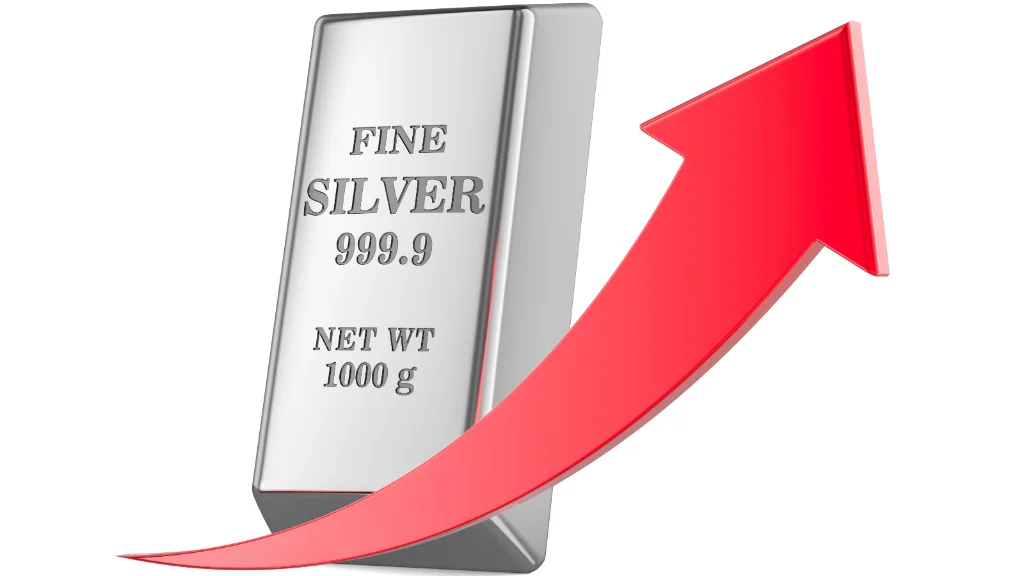 Silver Exchange-Traded Funds (ETFs) are SEBI-regulated financial instruments that trade on the stock exchange, much like shares of a company. When you buy a Silver ETF unit, you are essentially holding a paper or electronic representation of physical silver stored in professional vaults. These funds are required by law to invest at least 95% of their assets in physical silver of 99.9% purity.
The silver ETF vs. digital silver SIP comparison often leans toward ETFs for seasoned investors because they are traded in a highly regulated environment. You don't have to worry about the credibility of a private app; instead, you rely on the transparency of the National Stock Exchange (NSE) or Bombay Stock Exchange (BSE).
SEBI Oversight: Being regulated by SEBI provides a layer of protection and standardized reporting that digital silver lacks.
No GST on Purchase: Unlike digital or physical silver, you do not pay the 3% GST upfront when buying ETF units, though you do pay a small expense ratio.
Demat Integration: Since they are held in a Demat account, your silver holdings sit right alongside your stocks and mutual funds for easy tracking.
Market Transparency: Prices are updated in real-time based on the live market, ensuring you get the most accurate rate possible.
Direct Comparison: Digital Silver vs Silver ETFs
When deciding between a silver ETF vs a digital silver SIP, it is important to look at the operational differences. Digital silver is often viewed as a fintech product, while Silver ETFs are traditional financial securities. Both track the same underlying asset, but the "how" and "where" of the investment change the experience for the user.
Below is a detailed comparison of the two to help you identify which fits your current investment strategy.
Key Performance and Operational Differences
Feature | Digital Silver | Silver ETFs |
Regulation | Not explicitly regulated by SEBI/RBI | Strictly regulated by SEBI |
Minimum Investment | Starts as low as ₹1 | Typically 1 unit (approx. price of 1g silver) |
Storage & Insurance | Handled by the platform in private vaults | Handled by the AMC in SEBI-approved vaults |
GST Implications | 3% GST applicable at the time of purchase | No GST on purchase of units |
Physical Delivery | Available (with making and delivery charges) | Generally not available for retail investors |
SIP Availability | Highly flexible through various apps | Available via Fund of Funds (FoF) or broker tools |
Tax Implications for Silver Investors in 2026
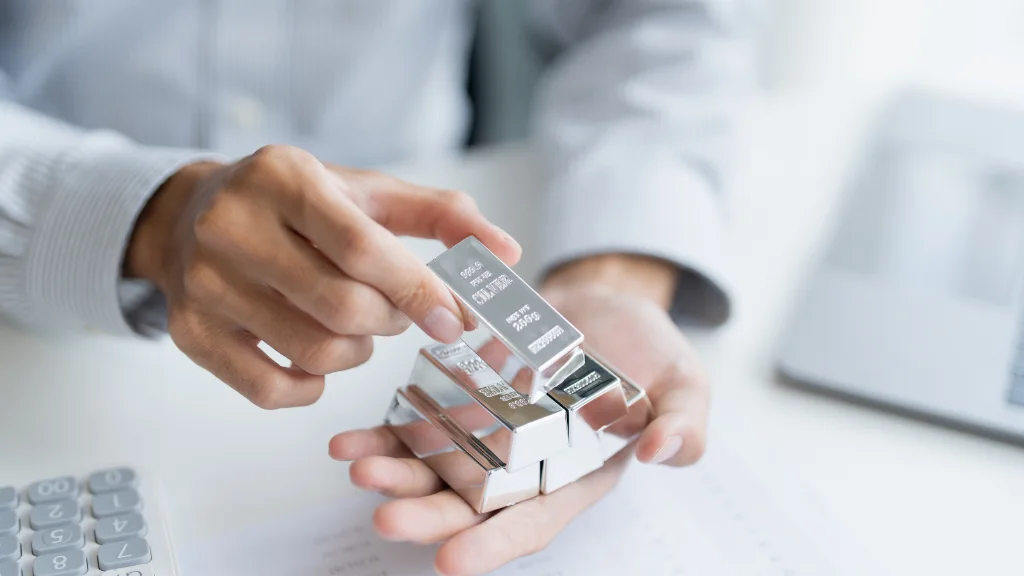 Taxation is a critical factor in the silver ETF vs digital silver SIP choice, as it directly impacts your take-home returns. Following recent regulatory updates, the holding period for "Long-Term" status varies between these two instruments. Understanding these rules ensures you aren't hit with a surprise tax bill when you decide to book your profits.
For digital silver, the taxation mirrors that of physical silver. If you sell within 24 months, the gains are added to your income and taxed at your applicable slab rate. For Silver ETFs, the window for long-term gains is shorter, often making it a more tax-efficient vehicle for those looking to rotate their capital within a year or two.
Detailed Taxation Breakdown
Digital Silver (Short-Term): Held for less than 24 months; taxed as per your income tax slab.
Digital Silver (Long-Term): Held for more than 24 months; taxed at 12.5% without indexation benefits.
Silver ETFs (Short-Term): Held for less than 12 months; taxed as per your income tax slab.
Silver ETFs (Long-Term): Held for more than 12 months; taxed at 12.5% without indexation.
GST Impact: Digital silver requires a 3% GST payment on every purchase, whereas Silver ETFs avoid this, though they charge an annual expense ratio (usually 0.40% to 0.60%).
Why Investors Prefer the Silver ETF vs Digital Silver SIP Route
Building a position in silver shouldn't be a one-time event. Most successful investors use a systematic approach. When comparing a silver ETF vs digital silver SIP, the choice often boils down to how you prefer to manage your money. Digital silver SIPs are perfect for the "set it and forget it" crowd who want to save small amounts daily or weekly through a mobile interface.
On the other hand, the silver ETF vs digital silver SIP route through a "Fund of Funds" (FoF) allows you to use the traditional mutual fund route. This is ideal if you already have an existing portfolio and want to automate your silver allocation without needing to log in to a brokerage app to place manual trades every month.
1. Benefits of Systematic Investing in Silver
Investing in silver through a systematic approach allows you to build a substantial position without feeling the pinch of a large one-time payment. Whether you choose a silver ETF vs digital silver SIP, the goal is consistency.
By automating your investments, you move away from emotional decision-making and focus on long-term wealth accumulation.
2. Price Volatility Management
Silver is notoriously more volatile than gold, often seeing sharper price swings in shorter periods. A silver ETF vs digital silver SIP ensures you buy more units when prices are low and fewer when prices are high.
This process, known as rupee-cost averaging, helps bring down your total average cost per gram over time, protecting you from the risks of buying at a market peak.
3. Disciplined Wealth Creation
Small, regular contributions grow significantly over time due to the compounding effect of the metal's industrial demand.
By committing to a silver ETF vs digital silver SIP, you treat your silver investment like a monthly utility bill or a savings goal.
This discipline ensures that you are constantly stacking assets, allowing your portfolio to grow steadily alongside the expanding global need for silver in green technology.
4. No Market Timing
You don't need to be an expert in technical analysis or global economics to know exactly when to buy. The silver ETF vs digital silver SIP model handles the timing for you by executing trades at fixed intervals.
This removes the stress of watching charts all day and prevents the "analysis paralysis" that often stops investors from entering the market during uncertain times.
5. Portfolio Diversification
Adding silver through a SIP provides a hedge against equity market downturns without requiring a massive capital outlay. In a balanced portfolio, silver often moves independently of the stock market.
Using a silver ETF vs digital silver SIP allows you to spread your risk across different asset classes, ensuring that if one sector underperforms, your silver holdings can provide the necessary stability to protect your overall net worth.
Cost Analysis: Expense Ratios vs Spreads
 One hidden aspect of the silver ETF vs digital silver SIP debate is the "spread." When you buy digital silver, there is often a gap between the buying price and the selling price (the spread). This can range from 3% to 6%, meaning your investment needs to grow by that much just for you to break even.
In contrast, Silver ETFs have much tighter spreads because they are traded on high-volume exchanges. However, they do carry an annual management fee known as the expense ratio. If you are a long-term holder, the expense ratio is a small price to pay for the lack of a 3% GST and the security of a SEBI-regulated environment.
Understanding the Costs
Digital Silver Costs: 3% GST + platform spread + potential delivery/making charges for physical redemption.
Silver ETF Costs: Annual expense ratio (0.5% avg) + brokerage fees + SEBI charges.
Which is cheaper? For short-term trading, ETFs are significantly cheaper due to the absence of GST. For very small, micro-investments (under ₹100), digital silver is more accessible despite the higher percentage-based costs.
Conclusion: Making the Right Move for Your Future
The choice between a silver ETF vs digital silver SIP ultimately depends on your investor profile. If you are a mobile-first user who wants the option to eventually hold physical silver coins, digital silver is a fantastic, low-friction entry point. However, if you are looking for a regulated, tax-efficient, and cost-effective way to add silver to a long-term investment portfolio, Silver ETFs are the superior choice.
Regardless of the path you choose, the most important step is to start. Silver is no longer just a decorative metal; it is a fundamental part of the global transition to green energy, and its scarcity is becoming more apparent every year. By starting a silver ETF vs digital silver SIP today, you are positioning yourself to benefit from the massive industrial and investment demand ahead.