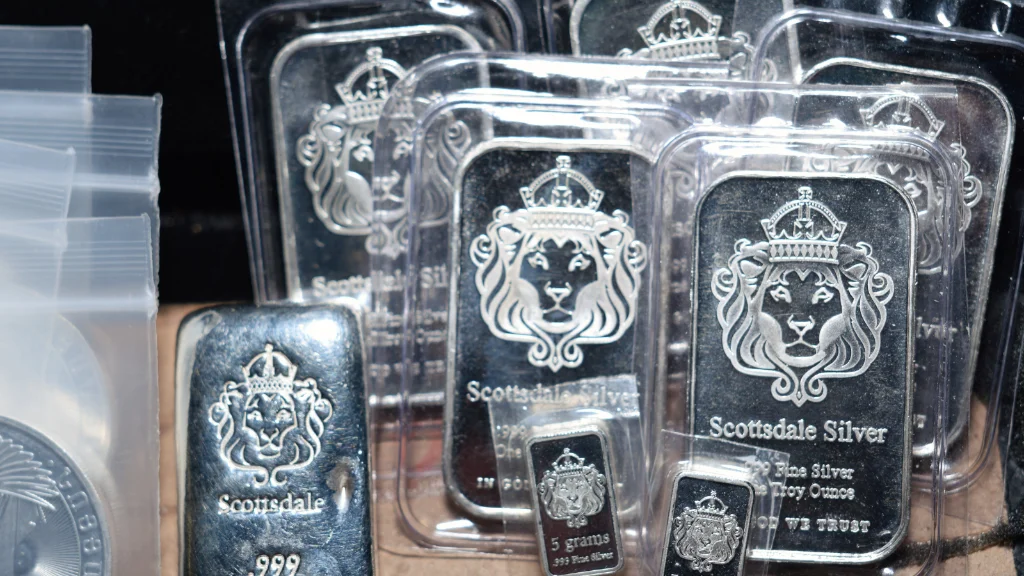
Investing in silver has evolved from heavy lockers and local jewelers to sleek smartphone apps. As of 2026, the Indian market has seen a massive shift toward "Digital Silver," a convenient way to own the precious metal without the stress of physical storage. However, while the convenience is clear, the tax implications can be a bit of a maze if you aren't prepared.
Understanding digital silver taxation in India is no longer just for professional accountants. If you are an investor looking to diversify your portfolio, you need to know how the government views these virtual holdings.
From GST on your initial purchase to the final capital gains tax when you sell, every step has a specific rule that impacts your actual take-home profit.
What is Digital Silver and How Does it Work?
Digital silver is a method of buying high-purity silver (usually 99.9% pure) online through fintech platforms or banks. For every rupee you invest, an equivalent amount of physical silver is purchased and stored in a secure, insured vault on your behalf.
You don't have to worry about theft or purity checks, but from a tax perspective, the government treats this "digital" asset very much like its physical counterpart.
Since you are technically buying the metal, even if you never touch it, the transaction is governed by the same rules as buying a silver bar from a shop. This means your entry and exit from the investment are both taxable events.
In the world of silver tax in India, being aware of these stages helps you plan your exits more efficiently.
When you buy digital silver through any platform, the first tax you encounter is the Goods and Services Tax (GST). This is an upfront cost that is added to the price of the metal at the time of purchase. Currently, the GST rate for silver in India is 3% on the value of the metal.
Unlike physical jewelry, digital silver does not usually involve "making charges," which would typically attract a higher 5% GST. This makes digital silver a slightly more cost-effective entry point compared to ornaments. However, that 3% is non-negotiable and will be clearly mentioned in your digital invoice.
Breakdown of Capital Gains Tax on Digital Silver
 The most significant part of digital silver taxation in India happens when you decide to sell. The profit you make is classified as "Capital Gains." As of the 2026 tax regulations, these gains are divided into two categories based on how long you held the asset before selling it.
Short-Term Capital Gains (STCG)
If you buy and sell your digital silver within a period of 24 months (2 years), the profit is considered a short-term capital gain. This is perhaps the most straightforward yet potentially expensive part of the silver tax regime in India because there is no fixed percentage. Instead, the profit is added to your total annual income and taxed according to your specific income tax slab.
Holding Period: Less than 24 months.
Tax Rate: As per your individual Income Tax Slab (5%, 20%, or 30%).
Impact: If you are in the 30% tax bracket, a quick flip of silver could lose nearly a third of its profit to taxes.
Long-Term Capital Gains (LTCG)
For those who view silver as a long-term hedge, the tax treatment becomes more favorable. If you hold your digital silver for more than 24 months, it qualifies as a long-term capital asset. Following the recent budget updates that streamlined precious metal taxes, the rate for LTCG is now standardized.
Holding Period: More than 24 months.
Tax Rate: 12.5% flat.
Indexation: Note that as of 2026, the "indexation benefit" (adjusting for inflation) has been removed for these assets to simplify the calculation process.
Investment Type | Holding Period for LTCG | Tax Rate (LTCG) | Tax Rate (STCG) |
Digital Silver | > 24 Months | 12.5% | Income Tax Slab |
Physical Silver | > 24 Months | 12.5% | Income Tax Slab |
Silver ETFs | > 12 Months | 12.5% | Income Tax Slab |
Key Differences Between Digital Silver and Silver ETFs
 Many investors confuse digital silver with Silver Exchange Traded Funds (ETFs). While both offer exposure to silver prices without physical storage, their tax "triggers" differ slightly. Silver ETFs are traded on the stock exchange like shares, and their holding period for long-term classification is often shorter (12 months) compared to the 24 months required for digital silver.
When dealing with digital silver taxation in India, remember that digital silver is treated as a physical commodity held in a digital vault. This means the 24-month rule is the standard you must follow. If you are looking for a shorter window to qualify for long-term rates, ETFs might be the better vehicle, though they require a Demat account and have their own set of brokerage fees.
Reporting Gains in Your ITR
A common mistake is failing to report these gains because the silver was "digital" or the amount was small. However, the Income Tax Department tracks these transactions through your PAN, which is mandatory for all digital silver platforms. Whether you made a profit of ₹5,000 or ₹5,00,000, it must be reported under the head "Capital Gains" in your Income Tax Return (ITR).
Maintain Invoices: Keep all digital purchase receipts to prove your "cost of acquisition."
Calculate Holding Period: Use the FIFO (First-In, First-Out) method if you buy silver in multiple installments (SIPs).
Deduct Expenses: You can deduct any platform fees or transaction charges from your total profit before calculating the tax.
Strategic Planning for Silver Tax India
To maximize your returns, you need to be strategic about when you click that "Sell" button. Since the jump from your slab rate (which could be 30%) to the long-term rate of 12.5% is significant, timing is everything. If you are at the 23-month mark, waiting just one more month could save you a substantial amount in taxes.
Furthermore, the digital silver tax structure does not allow for indexation anymore, but the lower flat rate of 12.5% is designed to compensate for that. For high-net-worth individuals, this simplified rate often results in a lower tax outflow than the older 20% with an indexation system, especially in a low-inflation environment.
Even with the 3% GST and capital gains, digital silver offers advantages that often outweigh the tax burden. The spread (the difference between buying and selling price) is generally lower than physical silver, and there is zero risk of being sold "impure" metal. When you factor in the cost of a bank locker for physical silver, which is not tax-deductible, the digital silver taxation in India becomes a small price to pay for the security and liquidity offered.
Conclusion
Navigating the world of digital silver taxation in India is about understanding the balance between convenience and compliance. By staying invested for more than 24 months, you can lock in the lower 12.5% LTCG rate and avoid the higher hits of the short-term income tax slabs. As the Indian economy continues to digitize, these rules will become the standard for every modern investor's portfolio.
Staying informed ensures that your "silver lining" doesn't disappear into tax penalties. If you're looking for more ways to optimize your digital assets and stay ahead of market trends, there are always new tools to explore.