The investment world in 2026 is no longer just about tracking blue-chip dividends or watching quarterly earnings of legacy giants.
Today, the health of the venture-backed ecosystem acts as a primary barometer for the broader economy, often serving as the "canary in the coal mine" for retail participants. When a flurry of layoffs hits the startup world, it sends a ripple effect through the public markets, affecting liquidity, consumer sentiment, and innovation cycles.
For a retail investor, seeing a headline about headcount reductions at a prominent unicorn might feel distant, but the structural shifts behind those cuts are deeply relevant to your portfolio.
These layoffs are rarely isolated incidents; they are often the first sign of tightening credit conditions or a pivot in how capital is being valued globally. By understanding the startup layoffs impact, you can better position your assets before the trend hits the S&P 500.
The Strategic Shift from Growth to Capital Efficiency
In previous years, the mantra for startups was "growth at all costs," fueled by low interest rates and a surplus of venture capital. However, the 2026 market environment has shifted toward rewarding capital efficiency.
This means investors are no longer impressed by massive teams; they are looking for high revenue per employee and sustainable margins. This shift is a core component of how startup investing is being redefined for a new era of fiscal responsibility.
When a startup announces a 15% or 20% workforce reduction, it is often a strategic attempt to extend its "runway", the amount of time it can operate before needing more funding. For retail investors, this serves as a signal to look at their own holdings.
If private companies are hunkering down to preserve cash, it suggests that the cost of capital is rising, which eventually pressures the valuations of public tech stocks as well.
Key Metrics Defining the New Efficiency Era in 2026
Startups are now being measured by lean operational standards that were largely ignored during the boom years of the early 2020s. The table below illustrates the shift in metrics that retail investors should monitor to understand this transition.
Metric | The Growth Era (Pre-2024) | The Efficiency Era (2025-2026) |
Primary Goal | User Acquisition / Market Share | Path to Profitability / Cash Flow |
Staffing Strategy | Aggressive Hiring / Bench Building | Lean Teams / AI Integration |
Success Indicator | High Total Headcount | High Revenue Per Employee |
Valuation Driver | Forward Revenue Multiples | EBITDA and Free Cash Flow |
Why Workforce Reductions Signal Industry Maturity
 Layoffs often indicate that a company has moved from the "experimentation" phase to the "optimization" phase. In the early stages, startups hire broadly to find a product-market fit. Once that fit is established, maintaining a bloated staff becomes a liability rather than an asset. This transition is a critical marker for anyone involved in startup investing, as it changes the risk profile of the business from speculative to operational.
1. The Evolution from Experiment to Optimization
For retail investors, this maturity phase is a double-edged sword. On one hand, it shows the business is becoming more professional and fiscally responsible. On the other hand, it might signal that the period of explosive, 10x growth is slowing down.
Recognizing where a sector sits in this cycle helps you decide whether to hold for long-term stability or seek growth in newer, more aggressive sectors.
2. Identifying Structural vs. Cyclical Job Cuts
Not all layoffs are created equal. In 2026, we distinguish between cyclical cuts (due to a bad economy) and structural cuts (due to better technology).
Structural cuts are often a positive sign for long-term shareholders because they imply the company has found a way to do more with less, permanently lowering its overhead and increasing its potential for future dividends or buybacks.
3. High Operational Leverage Through Automation
Startups using AI to replace routine tasks have higher operating leverage, making them more attractive for eventual IPOs. When a company can grow its revenue without a corresponding increase in its payroll, its profit margins expand exponentially.
For a retail investor, these are the companies that offer the best "margin of safety" during volatile market periods.
4. The Redistribution of Technical Talent
While layoffs are difficult for the individuals involved, they release top-tier talent back into the market. This "talent redistribution" often fuels a new wave of even more efficient startups.
For investors, this means the next big opportunity might be a company founded by those who were just laid off from a previous-generation unicorn.
5. Cost Reduction and the Path to Profitability
 Lower payroll costs directly translate to faster paths to profitability. In the 2026 market, "profitability" is the most important word in a retail investor's vocabulary.
Companies that can reach break-even status without needing more venture capital are far less likely to see their valuations crater when the market gets nervous.
6. The Supply Chain Softening Effect
Startups are often the early adopters of new B2B tools; their exit from the market lowers demand for established tech providers.
If you see widespread layoffs in the fintech startup space, you can expect public companies like PayPal or Block to report slower growth in the following quarters as their "customer pipeline" of new businesses starts to dry up.
7. Sentiment Contagion Among Retail Participants
Bad news in the startup sector often leads to a "risk-off" sentiment among retail investors. This causes a flight to quality, where money moves out of speculative growth stocks and into "safe haven" assets like gold or treasury bonds.
Monitoring the startup layoffs' impact helps you anticipate these shifts in market psychology before they become full-blown sell-offs.
8. Identifying the Survivors and Market Leaders
Startup layoffs are often a precursor to industry consolidation. Smaller, weaker players disappear, leaving the market to be dominated by a few "survivor" companies. For a retail investor, the goal is to identify these survivors early.
A company that executes a strategic layoff and manages to maintain its revenue growth is demonstrating the kind of resilience that leads to long-term market outperformance.
9. Evaluating Executive Leadership During Crisis
How a management team handles a layoff is a major indicator of future success. Leaders who are transparent, decisive, and empathetic tend to maintain higher morale among their remaining staff.
As an investor, reading the "leaked" internal memos from these layoffs can give you an unvarnished look at the company culture, information you won't find in a polished IPO prospectus.
10. Interest Rate Sensitivity and Capital Access
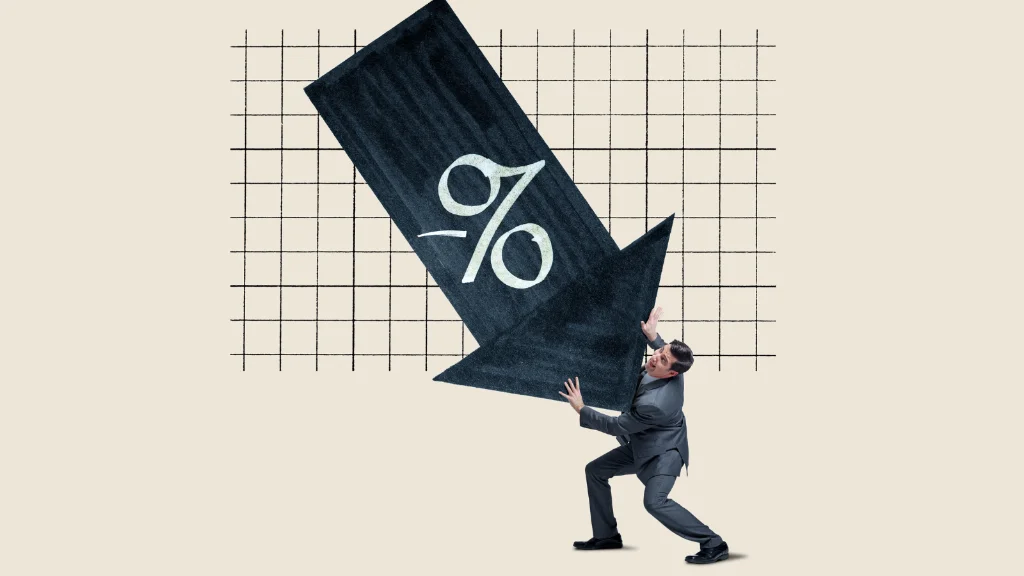 Because startups rely so heavily on external funding, they are the first to feel the pinch of rising interest rates.
If you see a spike in layoffs, it’s a strong signal that the "easy money" era is over. This allows retail investors to adjust their portfolios, perhaps by moving into companies with strong balance sheets and low debt, before the rest of the market catches on.
Conclusion: Turning Volatility into Opportunity
Startup layoffs are a reset, not necessarily a ruin. They represent a pruning process that, while painful in the short term, often leads to a healthier and more robust corporate ecosystem.
For the retail investor, these events are not just news stories; they are data points that reveal the underlying health of the global economy and the direction of future innovation. By paying attention to the startup layoffs impact and evolving your approach to startup investing, you can move away from speculative gambling and toward informed, strategic asset allocation.
The key to thriving in the 2026 economy is to remain agile and data-driven. While the headlines may focus on the loss of jobs, the smart investor focuses on the gain in efficiency. Those who can look past the initial shock and identify the structural improvements in these companies will be the ones who find the greatest value in the years to come.
If you’re looking for deeper insights and a clearer way to navigate complex market signals, having the right tools to separate signal from noise is essential. Understanding how different sectors intersect with long-term wealth creation is key to thriving in evolving markets. With data-driven intelligence from discvr.ai, complemented by solutions like Loan Against Mutual Funds, you can stay informed, flexible, and ahead of the market curve.