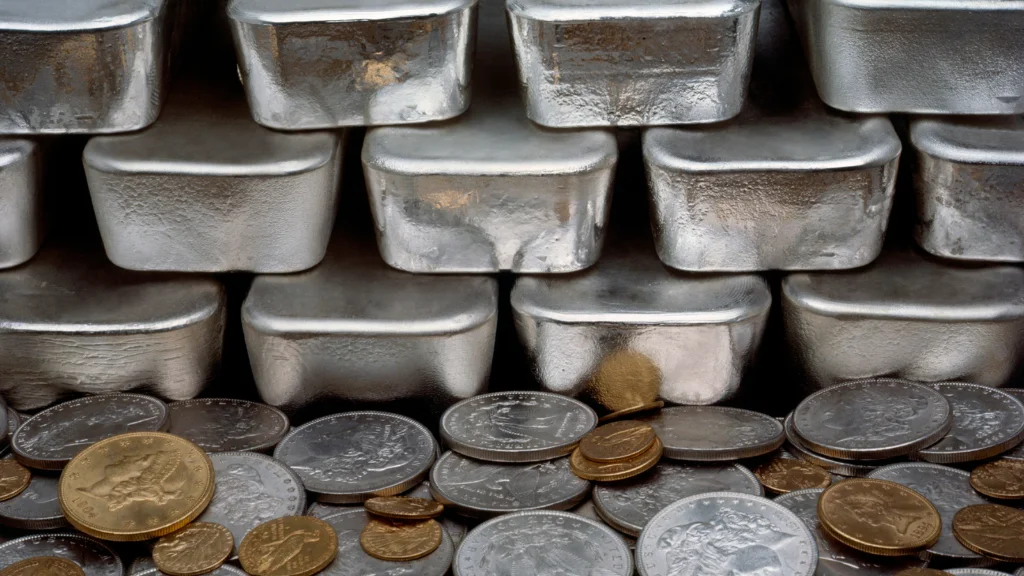
In the world of finance, silver has long played the role of the quiet sibling to gold’s loud, headlines-grabbing performance. However, as we move through early 2026, the narrative is shifting dramatically. Investors who once overlooked the "white metal" are now staring at a market where supply is shrinking, and industrial necessity is exploding.
The question of whether silver is undervalued has moved from the fringes of commodity speculation into the center of mainstream wealth management.
As the global economy grapples with the fallout of the green energy transition and the unexpected metal-intensity of the AI revolution, silver is no longer just a "poor man's gold." It has become a strategic asset of the highest order.
For those looking to protect their purchasing power while capturing the upside of the next technological age, the decision to buy silver online has never been more relevant or more urgent.
Understanding the True Value: Is Silver Undervalued Right Now?
To determine if an asset is undervalued, one must look past the daily ticker price and examine its historical relationship with other assets.
The most famous metric for this is the gold-to-silver ratio. Historically, this ratio has averaged around 60:1 or 70:1 over the last few decades. When the ratio reaches triple digits, as it did in early 2025, it sends a clear signal to the market that silver is drastically mispriced compared to its more famous counterpart.
As of January 2026, even with silver prices breaking past $100 an ounce, the ratio is still hovering in a zone that suggests further room for growth. If gold continues its march toward the $6,000 mark as predicted by major institutions like Bank of America, silver would need to reach nearly $150 or $200 just to return to its long-term historical mean.
This gap represents a massive opportunity for investors who recognize that the market has not yet fully accounted for silver's dual role as both money and a critical industrial material.
The relationship between gold and silver is one of the oldest in the financial world. For centuries, the ratio was fixed by law at 15:1. In the modern era, it has fluctuated wildly, but it always tends to "revert to the mean."
When you see the ratio at 50:1 or 80:1 today, you are looking at a market that is essentially telling you silver is trading at a discount. Unlike gold, which is mostly stored in vaults, silver is consumed in millions of products, meaning the available "floating" supply is much smaller than the ratio suggests.
When we adjust for inflation, silver's current price looks even more undervalued. If we look back at the all-time highs of 1980 and 2011, a simple inflation adjustment would place silver well above $150 in today’s dollars.
The fact that it is only recently reclaiming these levels suggests that the "real" price of silver has been suppressed for years. As fiat currencies continue to lose purchasing power due to record global debt and stimulus packages, the intrinsic value of silver becomes a primary reason why many choose to buy silver online to secure their savings.
While central banks are famous for hoarding gold, the "spillover effect" is starting to benefit silver. As gold becomes prohibitively expensive for retail and small institutional investors, the demand naturally flows toward silver.
In 2026, we are seeing a structural shift where silver is being treated as a core macro trading asset rather than a speculative side-bet. This shift in sentiment is a powerful driver that can keep prices elevated even if the initial hype of a rally fades.
The Industrial Engine Driving Silver Scarcity
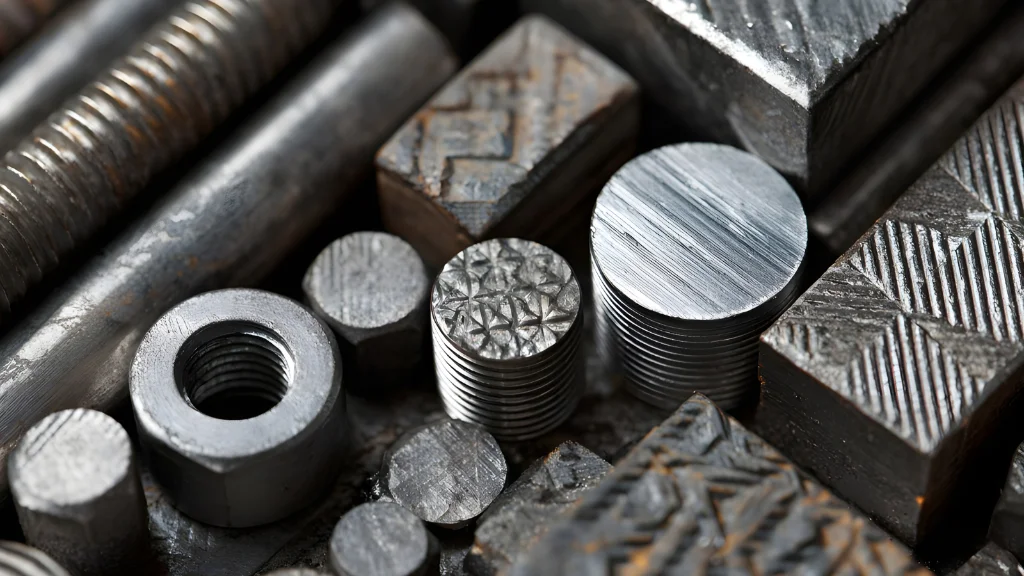 The most compelling argument for why silver is undervalued lies in its industrial utility. More than 60% of the world's silver is used in manufacturing, a figure that is significantly higher than that of gold.
Silver is the most conductive metal on the periodic table; it is also highly reflective and antimicrobial. These unique physical properties make it impossible to replace in high-growth sectors like solar energy, electric vehicles, and high-end electronics.
The Solar Energy Transition
The global push for "Net Zero" by 2030 and 2050 is essentially a push for more silver. Photovoltaic (PV) solar panels require silver paste to conduct the electricity they generate. In 2026, global solar capacity is projected to reach 665 GW, consuming approximately 125 million ounces of silver in a single year.
Even as engineers try to "thrift" or use less silver per panel, the sheer volume of new installations is growing faster than their ability to reduce the silver content, creating a massive floor for demand.
Electric Vehicles and Infrastructure
An electric vehicle (EV) uses roughly double the amount of silver found in a traditional internal combustion engine car. Beyond the car itself, the charging infrastructure and the power grid upgrades required to support millions of EVs are heavily reliant on silver-based components.
With EV production forecast to hit record numbers this year, the automotive sector is quickly becoming one of the largest consumers of silver, competing directly with investors who want to buy silver online for their private vaults.
AI Infrastructure and Data Centers
A new and unexpected driver in 2026 is the expansion of Artificial Intelligence. AI requires massive data centers with high-speed processing power. Silver is used in the specialized chips, electromagnetic shielding, and thermal management systems that keep these centers running.
As tech giants spend billions on AI hardware, they are inadvertently tightening the silver market, as every new server rack and cooling system adds another layer of demand to an already strained supply chain.
Sector | 2025 Consumption (Moz) | 2026 Projected (Moz) | Growth Rate |
Solar Photovoltaics | 115 | 125 | +8.7% |
Electric Vehicles | 68 | 75 | +10.3% |
AI & Data Centers | 12 | 18 | +50% |
Electronics & 5G | 240 | 255 | +6.2% |
The Invisible Wall: Why Supply Cannot Keep Up
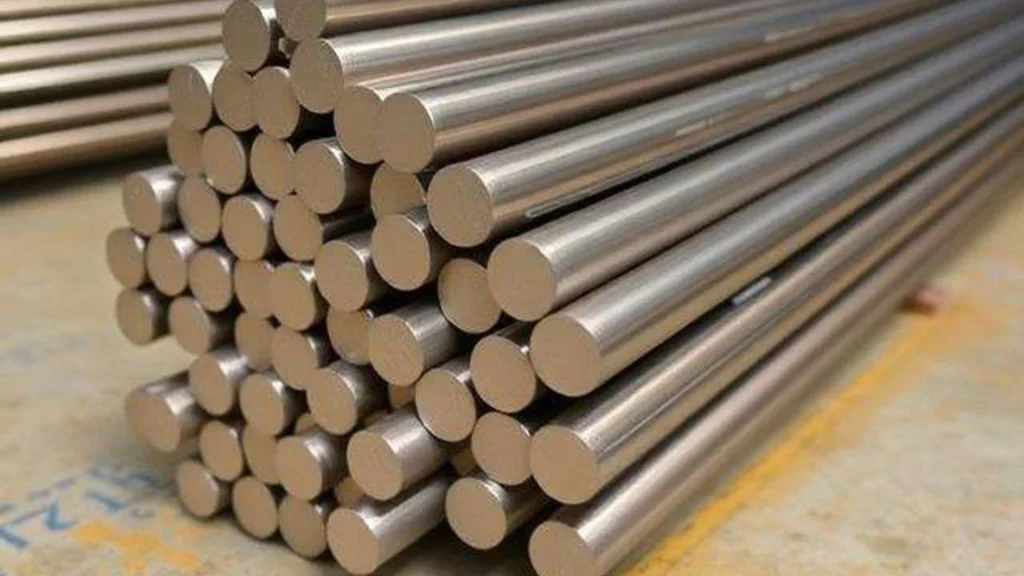 The supply side of the silver market is where the true "undervalued" story becomes a crisis. Unlike many other commodities, the supply of silver is "inelastic."
This means that even if the price of silver doubles, the world cannot simply produce twice as much silver. The reason for this is structural: 75% of silver is produced as a byproduct of mining for other metals like copper, lead, and zinc.
1. Byproduct Mining Limitations
Because silver is usually just a "bonus" for a copper miner, they won't build a new multi-billion-dollar mine just because the price of silver went up. They only increase production if the price of copper is high.
This creates a situation where the supply of silver is disconnected from its own demand. In 2026, we are entering the sixth consecutive year of a global silver deficit, meaning the world is literally running out of above-ground stockpiles to fill the gap between what we mine and what we use.
2. The Depletion of Vault Holdings
The inventories in major trading hubs like the LBMA in London and the COMEX in New York have been dropping at an alarming rate. When investors choose to buy silver online through ETFs or physical delivery, they are removing bars from a "float" that is already dangerously thin.
In early 2026, physical premiums in Asian markets like Shanghai reached an 11% premium over London prices, signaling that the scarcity is not just a theory; it is a reality on the ground.
3. Geographic and Political Risks
The majority of the world's silver comes from countries like Mexico, Peru, and China. In 2026, we are seeing increased resource nationalism and export restrictions. China recently implemented licensing requirements for silver exports, which has disrupted the global flow of the metal to Western manufacturers.
These geopolitical bottlenecks add a "risk premium" to the metal that is not yet fully reflected in the spot price, further supporting the idea that silver remains undervalued.
Strategic Advantages of Owning Physical Silver
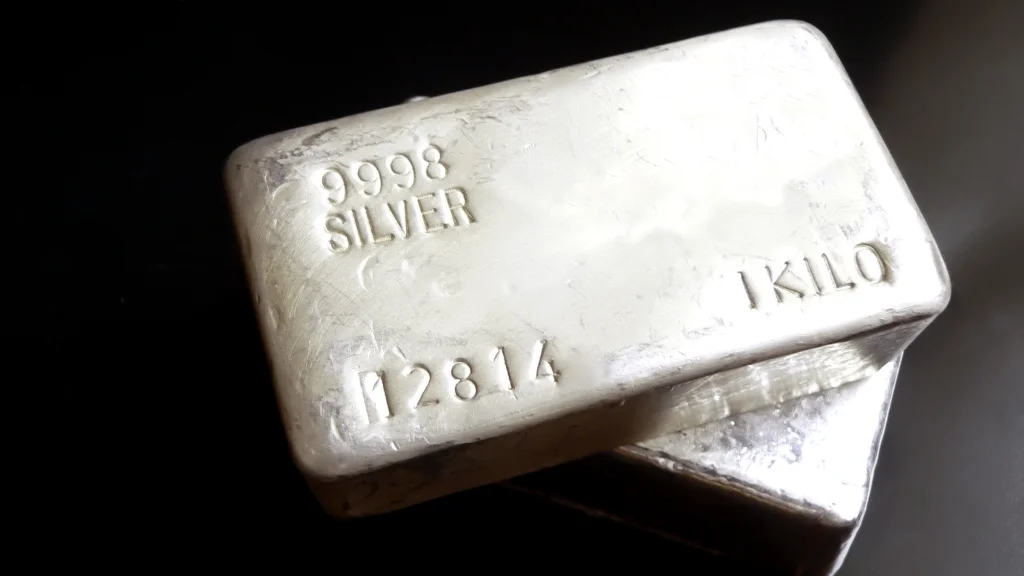 When you decide to buy silver online, you are opting for a tangible asset that has no counterparty risk. Unlike a stock or a bond, which is someone else's promise to pay, a silver bar or coin has intrinsic value. In a world where digital banking systems and currencies can be volatile, having a portion of your wealth in a physical, portable, and globally recognized form is the ultimate insurance policy.
Silver is "real money" that you can hold in your hand. It cannot be devalued by a central bank printing more of it, and it cannot be deleted by a technical glitch. For the average investor, silver is also much more accessible than gold.
While an ounce of gold might cost several thousand dollars, silver remains at a price point where you can steadily accumulate significant weight over time without needing a massive upfront capital investment.
One of the best reasons to buy silver online is the incredible liquidity of the asset. Silver is traded 24 hours a day across the globe. Whether you are in New York, London, or Tokyo, you can convert silver into local currency almost instantly.
Modern online platforms have made this process even easier, allowing you to purchase certified 99.9% pure bullion and have it shipped directly to your door or stored in a high-security professional vault.
In the world of investing, "beta" refers to how much an asset moves relative to the broader market. Silver is known as "high beta gold." When gold goes up, silver typically moves much faster and further.
This volatility, while scary for some, is a dream for investors seeking high returns. In the bull market of 2025, silver outperformed gold by nearly double, and as the supply deficit intensifies in 2026, that trend of outperformance is likely to continue.
Conclusion: Preparing for the Silver Breakout
As we have explored, the evidence pointing toward silver being undervalued is overwhelming. From the historic gold-to-silver ratio to the relentless demand from the solar and AI sectors, every fundamental indicator suggests that the current price is merely a stepping stone to much higher valuations.
We are witnessing a rare moment in history where a monetary safe haven is also a required industrial raw material, and both sides are competing for a supply that is physically shrinking.
The window of opportunity to enter the market at these levels may be closing. As vault inventories dry up and the public begins to realize the extent of the silver deficit, the price could experience the "vertical" moves that have characterized silver bull markets in the past.
Whether you are a seasoned institutional trader or a retail investor looking to protect your family's future, silver offers a unique combination of safety and growth potential.
To navigate this complex market and stay informed on the latest trends, you need a partner that understands the intersection of technology and commodities. At discvr.ai, we provide the insights and tools necessary to uncover these hidden market opportunities before they go mainstream. Don't wait for the headlines to catch up; take control of your financial future today.