
In the current economic climate, many people are looking for ways to build an inflation-hedged portfolio that provides both security and growth. While there is a lot of talk about a crypto inflation hedge as a modern solution, the relationship between cryptocurrency and inflation remains complex. For most stable strategies, using a loan against your mutual funds provides a regulated and predictable way to manage money. This guide on Loan against Mutual Funds will walk you through everything you need to know to get started.
To build an inflation-hedged portfolio effectively, one must understand that selling assets during a dip to cover expenses is a net loss. By using a crypto inflation hedge for high-risk growth and mutual funds for stable borrowing, you balance your risk. As we explore cryptocurrency and inflation, it becomes clear that having multiple liquidity tools is essential for modern wealth management.
What is a Loan against Mutual Funds?
A Loan against Mutual Funds is a secured credit facility where your investment units act as collateral. Instead of redeeming your funds and paying taxes on gains, you pledge them to a lender. The lender then provides you with an overdraft or a term loan based on the value of those units. Understanding a Loan against Mutual Funds is vital because it allows you to retain ownership of your assets. You still earn dividends and benefit from market appreciation even while the loan is active.
To build an inflation-hedged portfolio, you must ensure your assets are not sitting idle or being liquidated prematurely. Many investors compare this traditional security with a crypto inflation hedge to see which offers better liquidity. While cryptocurrency and inflation are often discussed together, the digital asset market lacks the standardized lien-marking process found in mutual funds. When you use a Loan against Mutual Funds, the process is governed by strict regulations, providing a layer of safety for your capital.
Key Concepts for New Borrowers
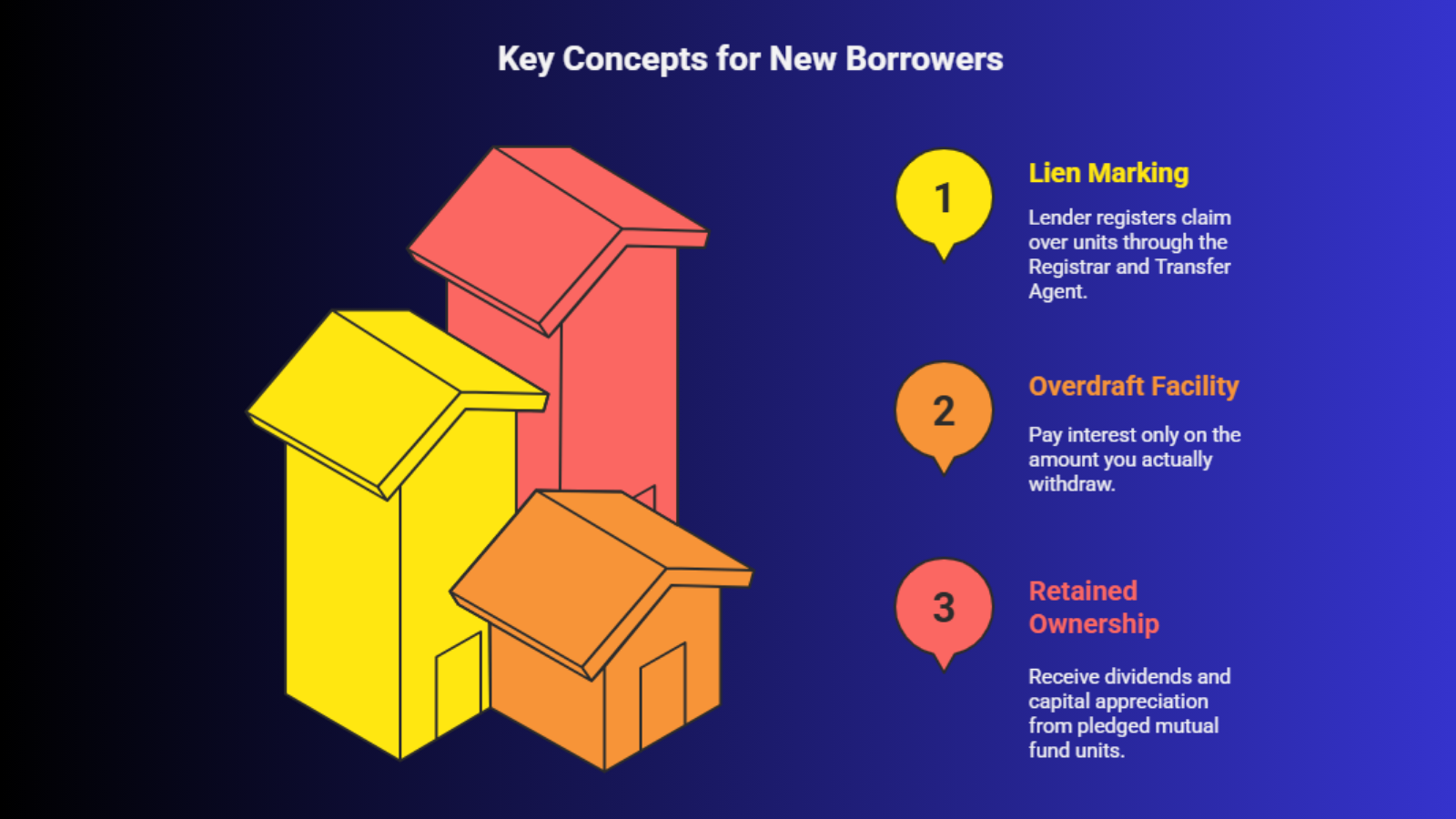 Lien Marking: This is the legal process where the lender registers their claim over your units through the Registrar and Transfer Agent (RTA).
Overdraft Facility: Most LAMF products are offered as an overdraft, meaning you only pay interest on the amount you actually withdraw.
Retained Ownership: You still receive all dividends and capital appreciation from your mutual fund units while they are pledged.
Understanding Loan-to-Value and Interest Rates
When you apply for a loan, the lender will not give you the full market value of your funds. They apply a margin of safety known as the Loan-to-Value (LTV) ratio. For equity funds, the LTV is typically around 50 percent, while debt funds can fetch up to 80 percent. This distinction is a core part of Loan against Mutual Funds, as it helps you calculate exactly how much liquidity you can generate from your specific portfolio.
As you work to build an inflation-hedged portfolio, the cost of borrowing becomes a major factor. Some look at a crypto inflation hedge for high returns, but the borrowing costs against digital assets can be unpredictable. In contrast, the clarity of cryptocurrency and inflation trends often makes people seek the stability of mutual fund lending. With a Loan against Mutual Funds, you get a transparent interest rate structure that helps in long-term financial planning without the hidden fees common in other sectors.
Detailed Comparison Table: Assets and Inflation Hedges
Feature | Mutual Fund (LAMF) | Crypto Assets | Physical Gold |
Loan Interest | 9% to 11% | 10% to 15% | 10% to 13% |
LTV Ratio | 50% (Equity) to 80% (Debt) | 25% to 50% | 75% |
Regulatory Safety | High (SEBI/Lender) | Developing | High |
Inflation Hedge | Build an inflation-hedged portfolio | Crypto inflation hedge | Traditional hedge |
Market Link | Cryptocurrency and inflation | Cryptocurrency and inflation | Global demand |
How LAMF Helps Build an Inflation-Hedged Portfolio
The primary goal for most investors today is to build an inflation-hedged portfolio that protects their purchasing power. Selling your best-performing funds to pay for a temporary expense is the opposite of this goal. By using a Loan against Mutual Funds, you keep your inflation-beating assets intact. While some might suggest a crypto inflation hedge for rapid growth, the volatility can be a double-edged sword when you need steady credit.
The ongoing conversation about cryptocurrency and inflation underscores the importance of diversifying asset classes. However, a Loan against Mutual Funds remains a foundational tool for credit because mutual funds are less volatile than digital currencies. If you want to build an inflation-hedged portfolio, use your stable assets for borrowing and keep high-risk assets like a crypto inflation hedge as a smaller part of your strategy. This balance ensures that cryptocurrency and inflation shifts do not derail your entire financial plan.
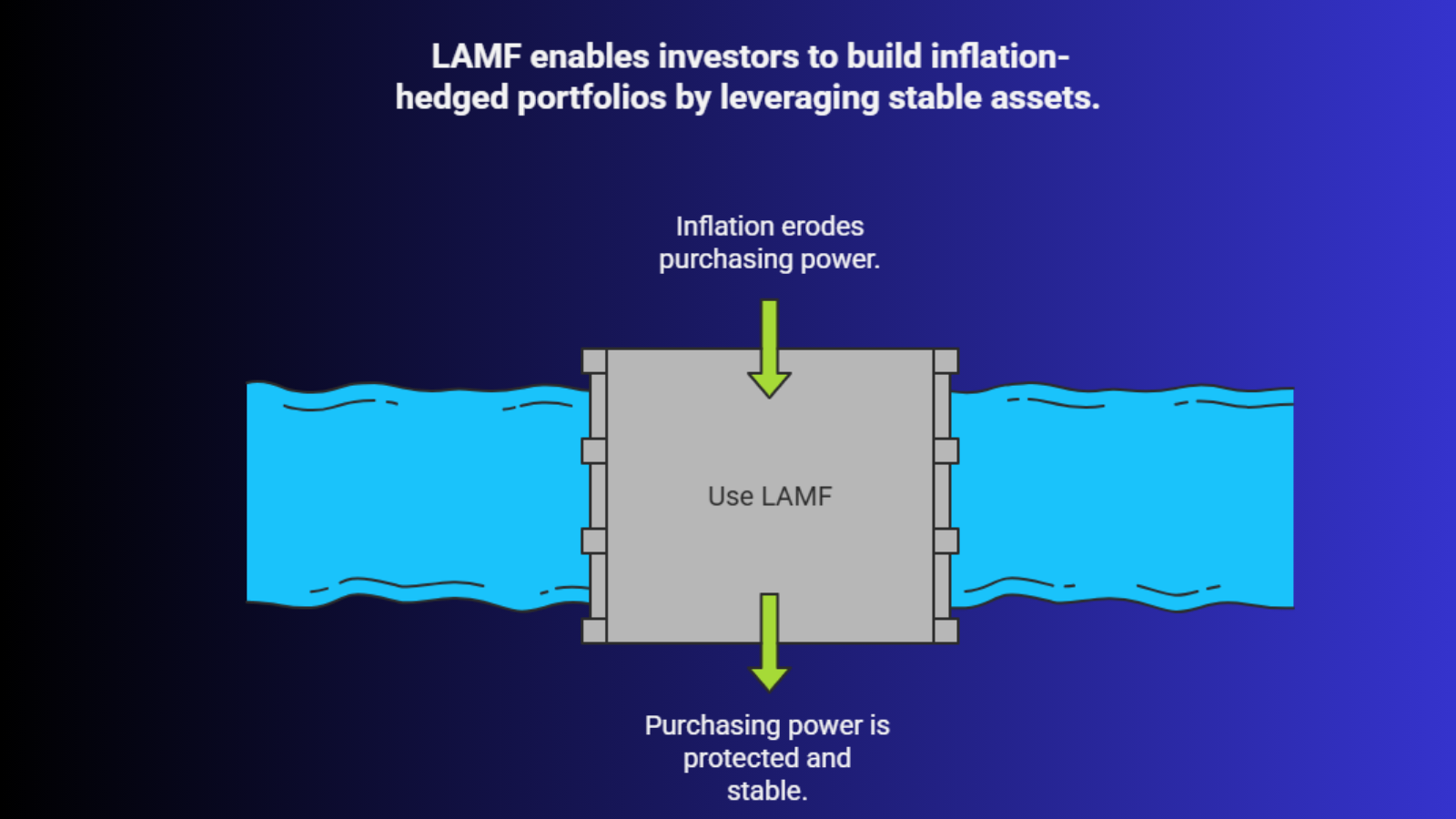 To build an inflation-hedged portfolio, one must stay invested during cycles of high cryptocurrency and inflation volatility. A crypto inflation hedge serves as a "satellite" asset, while your mutual funds provide the core collateral for a Loan against Mutual Funds. This dual approach helps you build an inflation-hedged portfolio that is both aggressive and liquid.
Strategic Risk Management and Tax Optimization
To build an inflation-hedged portfolio that survives market cycles, investors must balance the high-risk potential of a crypto inflation hedge with the grounded stability of a Loan Against Mutual Funds (LAMF). Success depends on two core pillars: protecting against volatility and maximizing tax efficiency.
1. Proactive Volatility Management
Managing the risk of a margin call is essential when the value of pledged funds fluctuates due to market swings or inflation.
The Buffer Strategy: While lenders offer higher limits, smart investors typically borrow only 30% of their fund value. This conservative LTV (Loan-to-Value) ratio ensures that even a significant bear market won't force a sudden repayment or a desperate need for more collateral.
Hands-on Risk Monitoring: Unlike passive investments, using a loan requires active oversight. Investors must recognize the link between cryptocurrency and inflation and how they impact interest rates, maintaining a high collateral margin to withstand rapid price drops.
 2. Tax-Efficient Liquidity
Pledging assets is a superior alternative to selling them because it preserves your capital base and avoids immediate fiscal penalties.
Eliminating Capital Gains: Selling mutual fund units triggers capital gains tax, especially high for short-term holdings. By choosing LAMF, you access cash without creating a "taxable event," allowing your money to continue compounding.
Long-Term Wealth Growth: Digital assets often face less favorable, flat tax rates. By utilizing the established tax codes of mutual funds, you keep more of your money working for you, which is the most effective way to grow net worth while cryptocurrency and inflation erode the value of standard cash.
Conclusion: A Strategic Path for New Borrowers
To build an inflation-hedged portfolio, you need tools that offer both growth and flexibility. Loan against Mutual Funds provides exactly that by allowing you to tap into your wealth without liquidating it. While a crypto inflation hedge can be a useful part of a modern portfolio, it should not be your only source of liquidity. The predictable nature of cryptocurrency and inflation trends suggests that having a stable, asset-backed credit line is the smartest move for long-term investors.
By mastering Loan against Mutual Funds, you protect your compounding and minimize your tax liabilities. Whether you are dealing with cryptocurrency and inflation or standard market cycles, LAMF gives you the upper hand. Use it wisely to build an inflation-hedged portfolio and ensure your financial goals stay on track. A crypto inflation hedge may offer excitement, but the reliability of a mutual fund loan offers true peace of mind.
Managing cryptocurrency and inflation requires discipline. As you build an inflation-hedged portfolio, remember that a crypto inflation hedge is for growth, while a Loan against Mutual Funds is for safety. To build an inflation-hedged portfolio that lasts, balance your exposure to cryptocurrency and inflation with the solid structure of asset-backed lending.
Ready to see how much you can borrow? Log in to check your eligible limit and unlock instant liquidity today.