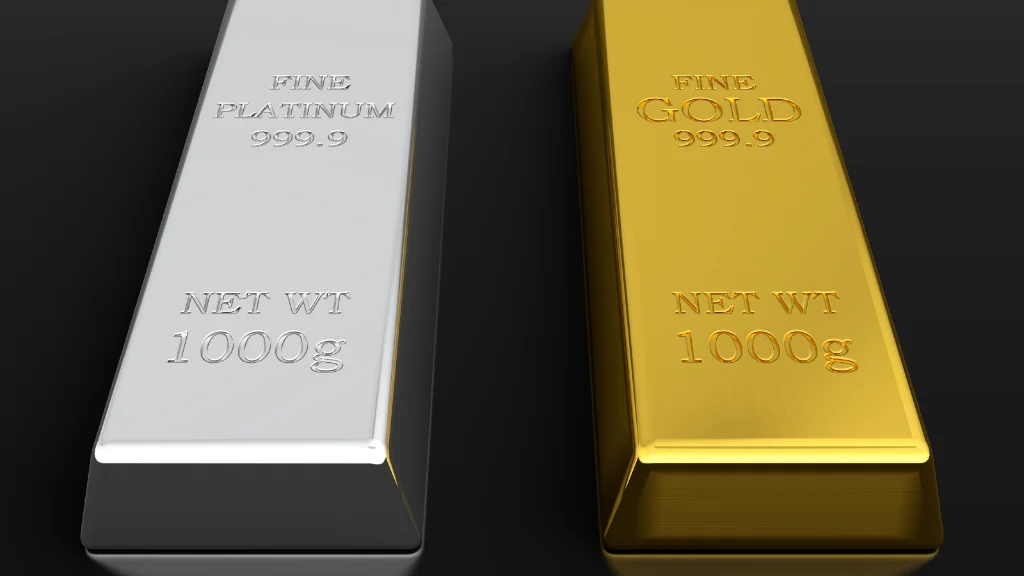
When you look back at the financial landscape of the last decade, few assets have captured the public imagination quite like precious metals. If you had stood at the starting line in 2016, the world looked vastly different, yet the fundamental reasons to invest in precious metals have only grown stronger.
Whether you were hedging against a global pandemic, navigating the return of high inflation, or watching the rapid rise of green technology, gold and silver have remained the dual pillars of alternative wealth.
Understanding the silver vs gold returns over these ten years is more than just an exercise in history; it is a blueprint for your future strategy. While gold often takes the spotlight as the ultimate protector of wealth, silver has spent the last decade proving that it is far more than just a secondary option.
Silver vs Gold Returns Compared Over Ten Years
To truly grasp the performance of these two metals, we have to look at the numbers. Between 2016 and early 2026, both metals have seen substantial growth, but their journeys have been defined by different catalysts.
Gold has largely been driven by central bank activity and currency debasement, while silver has ridden the wave of an industrial revolution.
In early 2016, gold was trading near $1,100 per ounce. Fast forward to 2026, and we have seen it breach the $5,000 mark. Silver started that same period around $14 per ounce and has recently seen explosive moves toward $110.
When you compare these, the absolute percentage gains tell a story of two very different assets working toward the same goal of capital appreciation.
The Cumulative Growth of Gold and Silver
Investment Metric (2016 - 2026) | Gold Performance | Silver Performance |
Beginning Price (Approx. 2016) | $1,100 /oz | $14.50 / oz |
Current Price (Early 2026) | $5,080 /oz | $110.70 / oz |
Total Absolute Return | ~360% | ~660% |
Compound Annual Growth Rate (CAGR) | ~16.5% | ~22.6% |
The first half of the decade was characterized by slow, steady accumulation as the world recovered from previous financial crises. However, the 2020-2022 window acted as a massive catalyst.
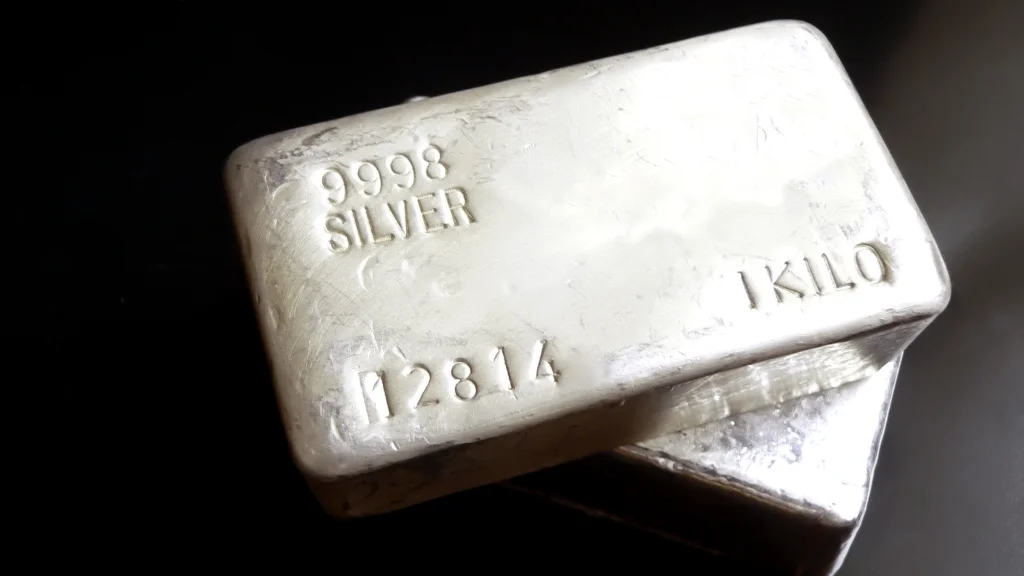 During the height of global uncertainty, gold provided the stability investors craved. Interestingly, the latter half of the decade (2024-2026) has seen silver take the lead in terms of raw percentage growth, fueled by its essential role in the global transition to renewable energy.
Gold is often referred to as a "monetary" metal because it is primarily held by central banks and private investors as a store of value. This means it doesn't fluctuate based on whether factories are open or closed.
Over the last ten years, gold's standard deviation in returns has stayed relatively low compared to other commodities, making it the preferred choice for those who prioritize sleep over speculative gains.
Silver is unique because it is both a precious metal and an industrial powerhouse. Over 60% of its demand now comes from industrial uses like solar panels and electric vehicles.
Because the supply of silver is often a byproduct of other mining (like copper or zinc), it cannot easily ramp up to meet demand. This structural deficit is exactly what led to the massive silver price spikes seen between 2025 and 2026.
Analyzing the Gold to Silver Ratio over a Decade
The most important tool for any investor looking to invest in precious metals is the Gold-to-Silver ratio. This number tells you how many ounces of silver it takes to buy a single ounce of gold.
Historically, this ratio has served as a "valuation" signal, telling us when one metal is significantly cheaper than the other based on historical norms.
In 2020, we saw a generational extreme when the ratio hit 125:1, the highest in recorded history.
This meant silver was historically "on sale" compared to gold. Since then, we have seen a massive "mean reversion." By early 2026, the ratio has compressed toward 46:1, illustrating just how much silver has outpaced gold in the most recent market cycle.
The pandemic-induced market crash created a massive disconnect. While gold held its value, silver plummeted due to fears of industrial shutdowns.
Smart investors saw the 120+ ratio as a once-in-a-lifetime opportunity to swap gold for silver. Those who did saw their silver holdings grow at nearly double the rate of gold over the following five years as the ratio returned to its historical average.
The Role of Central Bank Gold Buying
Central banks do not typically buy silver; they buy gold. In 2023 and 2024, central bank purchases reached levels not seen in thirty years. This provided a "price floor" for gold that silver simply does not have.
When the Federal Reserve or the People's Bank of China adds gold to their reserves, it signals to the market that gold is the ultimate insurance policy against currency failure.
The Return to the Mean in 2026
As we stand in 2026, the ratio is approaching the "neutral" zone of 40:1 to 50:1. When the ratio is in this range, the silver vs gold returns tend to stabilize and move more in tandem.
For the strategic investor, a low ratio might signal that it is time to start shifting some "winning" silver profits back into the stability of gold to lock in gains for the next cycle.
How Industrial Demand Reshaped the Silver Market
 Unlike the previous decade, the period between 2016 and 2026 saw silver become a "tech metal." The explosion of the solar industry has been the single greatest driver of silver demand. Silver is the best conductor of electricity on the periodic table, and as of 2026, no affordable substitute has been found that matches its efficiency in photovoltaic cells.
The Photovoltaic (Solar) Revolution
In 2016, the solar industry was a minor player in the silver market. By 2025, it accounted for a massive portion of the annual supply. As nations scrambled to meet "Net Zero" targets, the requirement for silver skyrocketed.
This created a situation where even if investment demand for silver was flat, the industrial floor was so high that prices had no choice but to climb.
Electric Vehicles and Electronics
Every electric vehicle uses significantly more silver than a traditional internal combustion engine for its complex electronics and battery management systems.
With the global shift toward EVs reaching a tipping point in 2024, the "industrial silver" narrative became the dominant force. This is why silver has shown such aggressive returns in the latter half of our 10-year comparison.
The Supply Deficit Reality
Silver mining has struggled to keep up. Most silver is found alongside other metals, so even as silver prices rise, miners won't necessarily dig more if copper or lead prices are low.
This "inelastic supply" means that when demand spikes, the price must move violently to find a balance. This explains the 660% absolute return seen in silver compared to the more measured 360% in gold over the last decade.
Strategic Tips to Invest in Precious Metals Today
 If you are looking to enter the market now, the lessons from the last ten years are clear: diversification is your best friend. You don't have to pick a side in the silver vs gold returns debate; you can own both to capture the stability of one and the growth of the other.
A. The 70/30 Portfolio Rule
Many institutional advisors suggest a split of 70% gold and 30% silver. This allows the 70% in gold to act as the "anchor" of your portfolio, protecting you during market crashes. Meanwhile, the 30% in silver provides the "fuel" for outsized gains during industrial booms or periods of extreme inflation, much like we have seen in the mid-2020s.
B. Choosing the Right Investment Vehicle
You can invest in precious metals through physical bullion, ETFs, or digital platforms. Physical metal offers the ultimate security but comes with storage costs. ETFs provide liquidity but involve counterparty risk.
Digital assets, which have gained massive popularity between 2022 and 2026, offer a middle ground where you can own fractional amounts of physical metal with the ease of a smartphone app.
C. Dollar-Cost Averaging for Long-Term Success
The volatility of silver can be intimidating. Instead of trying to time the "perfect" entry, the most successful investors over the last decade have used dollar-cost averaging. By buying a fixed amount every month, you naturally buy more when prices are low and less when they are high. This strategy has proven to be the most effective way to navigate the price swings of both metals since 2016.
Conclusion
The last ten years have proven that both gold and silver are essential components of a modern portfolio. While gold has provided a reliable shield against geopolitical turmoil and currency devaluation, silver has emerged as a high-growth asset fueled by the global energy transition.
Comparing the silver vs gold returns since 2016 shows that while silver had higher total returns, it came with significantly more "heartburn" along the way.
As we move further into 2026, the macro environment remains supportive for both. Central banks are still cautious, and the industrial demand for silver shows no signs of slowing down.
The smart move is to stay informed and use data to guide your allocations. If you are ready to take the next step in your financial journey, visit discvr.ai for the latest market intelligence and tools to help you optimize your precious metals strategy.