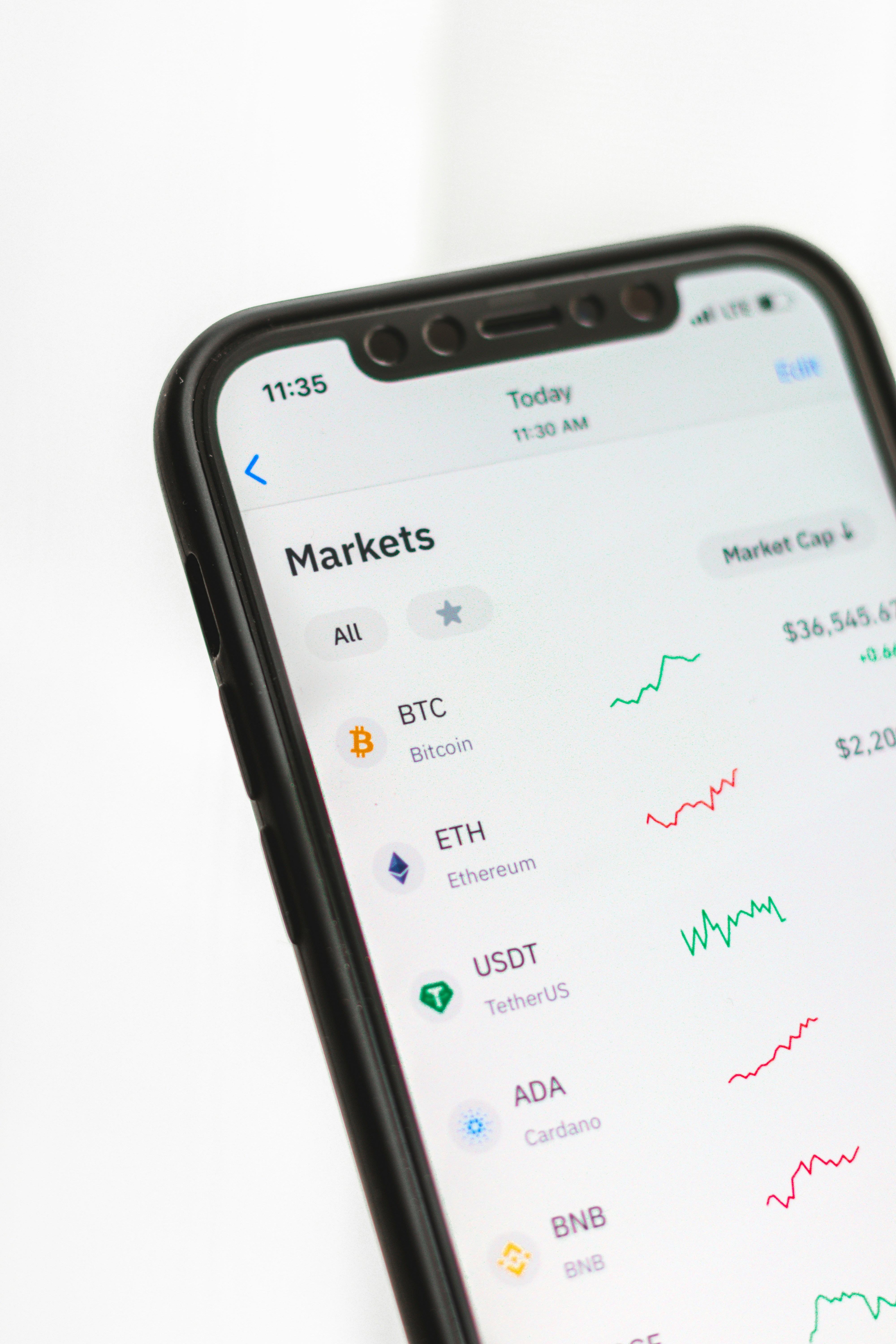
These key choices guide how much you invest, what you buy, and how you protect your money.
Allocate to large caps first: Coins like Bitcoin and Ethereum offer stability, strong liquidity, and long-term adoption. They form the foundation of a safe crypto allocation.
Add selective mid-caps: Choose projects with real use cases, audited technology, and steady community growth. Mid-caps can boost returns without adding major risk.
Limit exposure to new tokens: New launches carry higher volatility. Invest small amounts and track them closely instead of making them a large chunk of your portfolio.
Use trusted exchanges and wallets: A secure platform reduces operational risks. Choose exchanges with a strong compliance history and strong insurance protection.
Smart Risk Controls Every Investor Should Consider
Safety is also about how you respond to market movements rather than just what you buy. Clear position limits help you control risk by deciding how much to invest in each token. This keeps your exposure balanced and prevents any single asset from dominating your portfolio. Rebalancing every quarter also plays an important role. It corrects any drift caused by price swings and brings your allocation back to your planned risk level, which protects long-term stability.
Liquidity matters too, especially in fast-moving crypto markets. Keeping a portion of your funds in stablecoins such as USDC or USDT gives you flexibility during uncertain phases. You can use them for short-term adjustments or to buy opportunities without touching long-term holdings. Along with this, tracking key market triggers like regulatory announcements, ETF inflows, and sharp price changes helps you react in time. Paying attention to these signals supports smarter transactional investing decisions and strengthens overall portfolio safety.
Steps to Build a Well-Protected Portfolio
 This section breaks the process into smaller parts to guide safer and more confident investing.
Choose your investment mix
Start with a clear plan. A simple structure like 60 percent large caps, 30 percent mid caps, and 10 percent emerging projects works well for most investors. Adjust based on your risk appetite, but avoid extreme allocations.
Secure your storage
Use a combination of hardware wallets and trusted custodial accounts. Cold storage is best for long-term holding, while exchanges with strict compliance help with quick trades and liquidity.
Follow a disciplined buying plan
Follow a steady strategy. Spread purchases over time instead of buying everything at once. Systematic investing reduces emotional decisions and builds consistency in your transactional investing approach.
Review performance regularly
Set monthly or quarterly check-ins to track gains, risk levels, and project updates. This helps you stay informed and make timely adjustments.